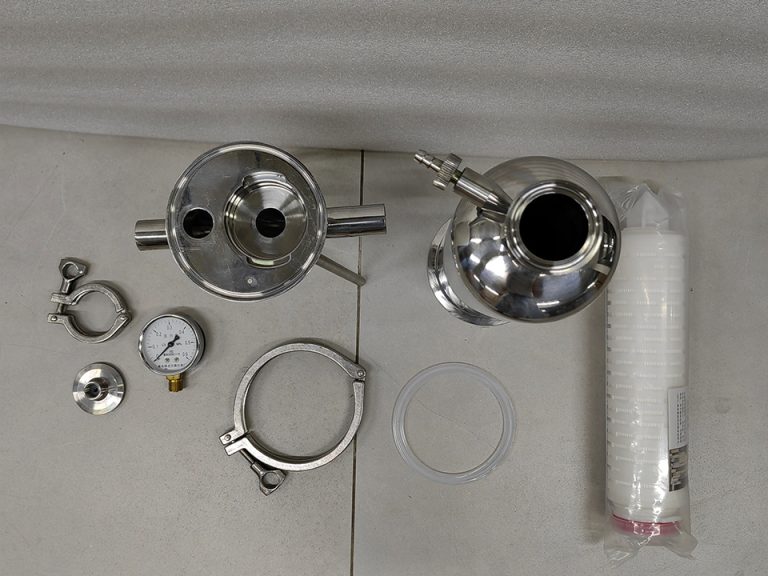
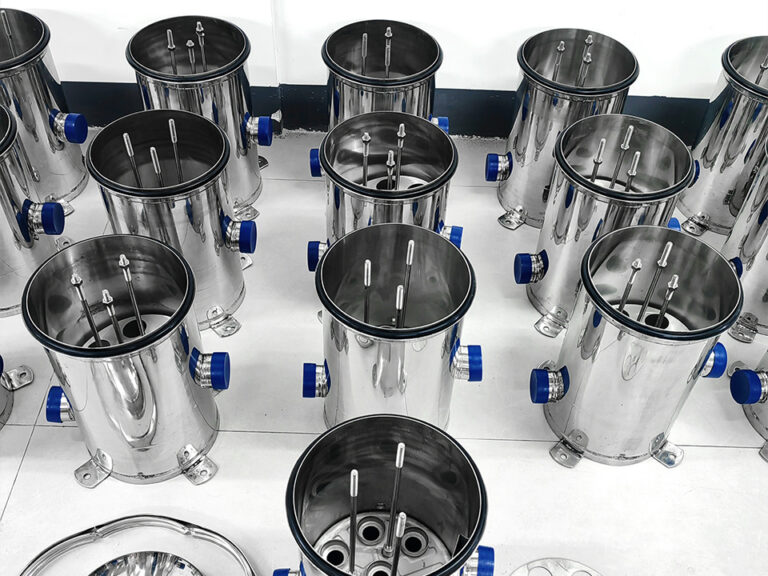
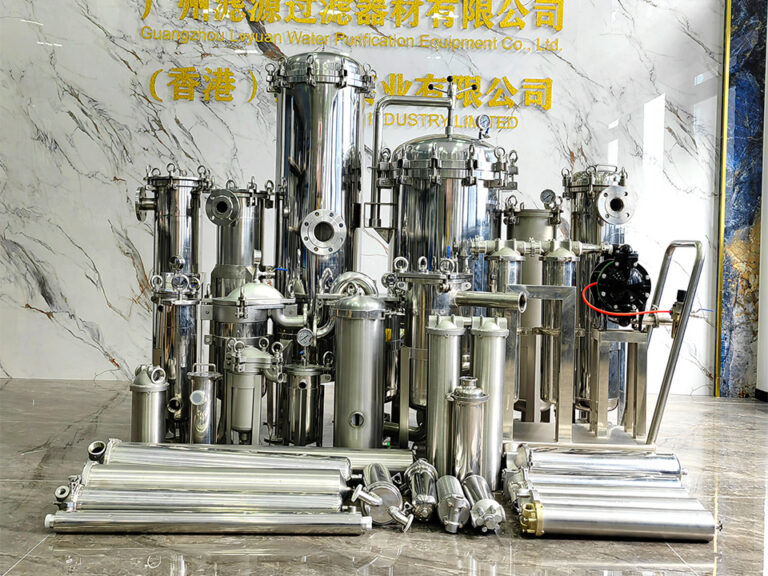
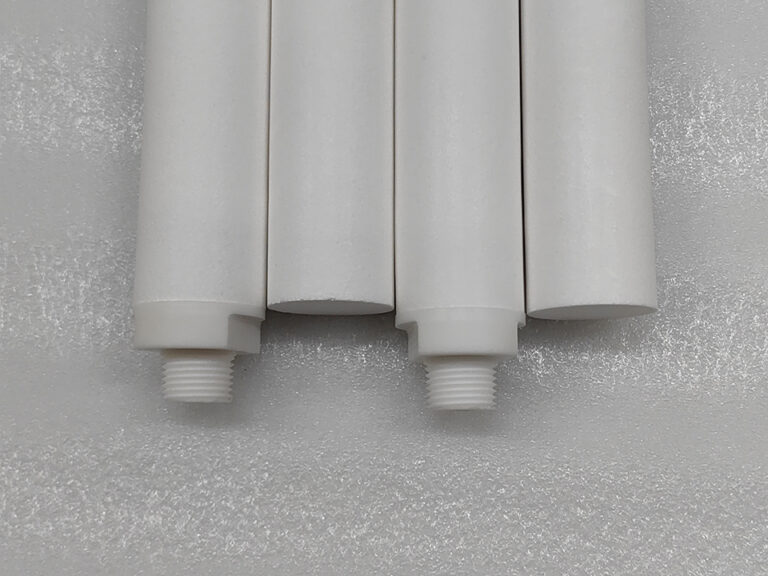
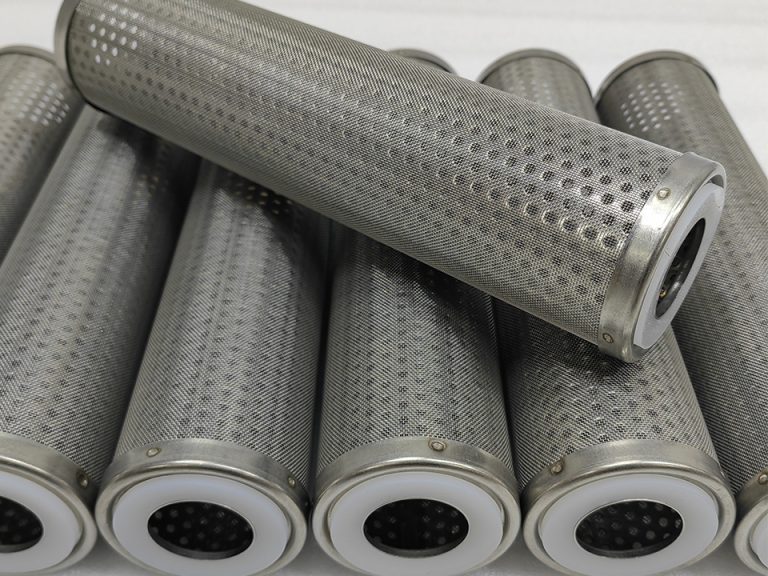
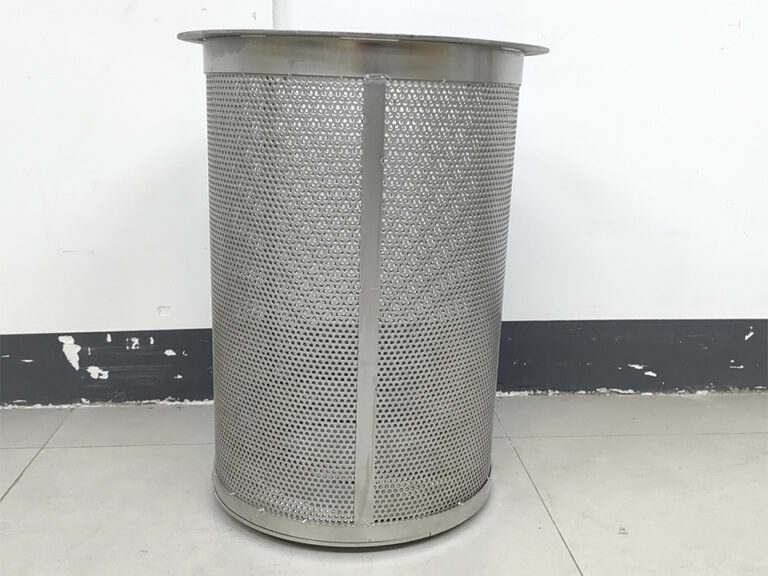
Guangzhou Lvyuan Water Purification Equipment Co. est un fabricant de filtres industriels fondé en 2009 qui conçoit et fabrique des boîtiers de filtre en acier inoxydable, des réservoirs d'eau stérile en acier inoxydable, des éléments filtrants, des sacs filtrants, des matériaux ultra-polymères et des produits filtrants frittés. Les acheteurs choisissent Lvyuan pour son support OEM/ODM, son contrôle qualité ISO9001 et ses certifications multi-pays.
Guangzhou Lvyuan Water Purification Equipment Co. Ltd.
Calcul du nombre de cartouches pour les systèmes de filtration de 200 m³/h
À 200 m³/h, le calcul semble d'une simplicité presque gênante, mais le résultat peut varier de cinq éléments à haut débit à plus d'une centaine de cartouches standard dès lors que la viscosité, les matières en suspension, la finesse de filtration, la pression différentielle, la réserve anti-encrassement et la redondance sont prises en compte dans le calcul.
Alors, quel numéro faut-il indiquer sur le bon de commande ?
Ma réponse est sans détour : Commencez par quatre cartouches de service et une cartouche de réserve lorsque vous utilisez des éléments à haut débit certifiés de 60 pouces, mais considérez ce chiffre de cinq comme une estimation budgétaire et non comme une configuration définitive.
Cette distinction est importante. Une estimation fondée uniquement sur “ 200 m³/h ” n'a rien d'une étude technique. Il s'agit d'une estimation commerciale déguisée en étude technique.
La réponse d'abord : prévoyez environ cinq cartouches à haut débit
Pour un liquide de type eau, une charge en sédiments modérée et un élément de grand diamètre (40 ou 60 pouces) correctement sélectionné, le résultat préliminaire et justifiable du dimensionnement du filtre à cartouche est le suivant :
4 cartouches en service + 1 cartouche de réserve = 5 cartouches installées
Cela suppose que chaque cartouche de service ait un débit admissible corrigé d'environ 54 m³/h, ce qui équivaut à 900 L/min. Le calcul est le suivant :
200 m³/h ÷ 54 m³/h par cartouche = 3,70 cartouches
Arrondir à la hausse :
N duty = 4 cartouches
Ajoutez ensuite une redondance opérationnelle :
N installées = 4 + 1 de réserve = 5 cartouches
C'est ce que dit clairement le titre. Mais la dure réalité, c'est qu'une cartouche commercialisée comme “ haut débit ” n'est pas automatiquement capable d'atteindre un débit de 54 m³/h avec votre liquide.
La valeur finale dépend de la courbe réelle « pression différentielle en fonction du débit », et non de la mention figurant sur l'emballage.
Pourquoi un débit de 200 m³/h ne suffit pas à lui seul à déterminer le nombre de cartouches
Pour effectuer un calcul correct concernant un filtre à cartouche, il ne suffit pas de connaître le débit de la pompe. Il faut au minimum disposer des éléments suivants :
Débit normal, minimal et maximal
Température du liquide
Viscosité dynamique en mPa·s ou en cP
Total des matières en suspension (TMS), en mg/L
Répartition granulométrique
Grille de filtration nominale ou absolue requise en microns
Pression différentielle « propre » et « terminale »
Matériaux et géométrie des cartouches filtrantes
Nombre d'heures de fonctionnement prévu entre deux remplacements
Exigences en matière de redondance
Le guide de sélection des filtres en polypropylène de Pall, daté de janvier 2024, suit la même logique : le type de fluide, les particules solides, la viscosité, le pH, la température, la pression, le taux de rétention et le débit du liquide sont tous pris en compte comme critères de dimensionnement. Il précise également que les valeurs de débit recommandées visent à optimiser la durée de vie du filtre, et non pas simplement à démontrer que le liquide peut physiquement traverser l’élément. ([Pall][1])
Je me méfie de toute proposition qui divise 200 m³/h par une valeur maximale indiquée dans le catalogue et s'en tient là.
Le débit maximal correspond à une limite hydraulique. Le débit recommandé correspond à un régime de fonctionnement. Le débit durable en cas de contamination est quant à lui une toute autre valeur.
Le calcul du nombre de cartouches que les ingénieurs devraient utiliser
La formule de base est la suivante :
N duty = Plafond(Q pic ÷ q admissible)
Où ?
Fonction N = nombre de cartouches fonctionnant simultanément
Pic Q = débit maximal du système, et non pas simplement le débit moyen de production
q admissible = débit admissible corrigé par cartouche
Plafond = arrondir toujours à l'unité supérieure
Le débit admissible de la cartouche doit être calculé comme suit :
q admissible = q de référence × K viscosité × K matières en suspension × K microns × K température × K encrassement
Chaque facteur de correction est normalement 1,00 ou moins.
Par exemple :
Débit de référence d'eau propre : 72 m³/h
Facteur de correction combiné : 0.75
Débit admissible corrigé : 72 × 0,75 = 54 m³/h
Ensuite :
N duty = Plafond(200 ÷ 54) = 4
Pour une redondance N+1 :
N installé = N en service + 1 = 5
Le facteur de 0,75 n'est pas une constante universelle. Il s'agit d'une hypothèse technique utilisée lors de la phase initiale d'établissement du budget. Un circuit d’eau de refroidissement propre peut justifier un facteur plus proche de 0,85 ou 0,90. Un cours d’eau de surface sale, une eau de puits riche en fer, un bouillon de fermentation, un revêtement contenant de la résine ou une boue concentrée peuvent faire baisser ce facteur vers 0,50, voire moins.
Calcul détaillé pour un système de filtration de 200 m³/h
Examinons cette base de conception préliminaire :
Paramètre de conception
Valeur présumée
Débit normal
200 m³/h
Débit de pointe
200 m³/h
Liquide
Eau de process de type eau
Température
25 °C
Viscosité
Environ 1 cP
Niveau de filtration
5 à 10 µm
Chargement des solides
Modéré
Cartouche de référence
Format haut débit de 60 pouces
Débit recommandé
1 200 L/min
Facteur de correction combiné
0.75
Redondance
N+1
Commencez par convertir le débit du système :
200 m³/h × 1 000 ÷ 60 = 3 333 L/min
Régler le débit de la cartouche de référence :
1 200 L/min × 0,75 = 900 L/min
Calculer le nombre de services :
3 333 ÷ 900 = 3,70
Arrondir à la hausse :
4 cartouches de service
Ajouter un poste de réserve :
5 cartouches installées
Un tableau des dimensions Pall datant de janvier 2024 fournit des valeurs de référence pour les débits élevés, allant de quelques centaines de litres par minute pour les éléments les plus courts à un débit recommandé d'environ 1 200 L/min pour son format le plus long à haut débit. Ces valeurs constituent des repères utiles, mais elles ne constituent pas des garanties de performances transposables aux cartouches d'un autre fabricant.
Cet avertissement n'est pas une simple formalité juridique. Les médias plissés à haut débit, les médias en profondeur obtenus par soufflage à l'état fondu, les médias en PP à densité graduée et les éléments sans noyau peuvent présenter des surfaces effectives et des pertes de charge à l'état propre radicalement différentes, malgré des dimensions extérieures similaires.
Comparaison des configurations de cartouches
Le tableau suivant présente une 0,75 (facteur de correction préliminaire) par rapport aux débits de référence documentés, puis ajoute une cartouche de réserve. Cela montre pourquoi le format de la cartouche est plus important que la longueur nominale du boîtier.
Architecture à cartouche
Débit de référence par élément
Processus de conception corrigé
Débit nominal : 200 m³/h
Installé avec N+1
Mon évaluation
60 pouces, haut débit
1 200 L/min
900 L/min
4
5
Point de départ recommandé
40 pouces à haut débit
800 L/min
600 L/min
6
7
Pratique lorsque l'espace en hauteur est limité
30 pouces à haut débit
400 L/min
300 L/min
12
13
Davantage de joints, de main-d'œuvre et de complexité des navires
Cartouche standard de 30 pouces
40 à 90 L/min
30 à 67,5 L/min
50–112
51–113
Généralement peu rentable pour une utilisation principale
Les chiffres de référence sont tirés du guide de sélection 2024 et indiquent les capacités en fonction du format ; les valeurs de conception réelles doivent être vérifiées à l'aide de la courbe de débit spécifique au fluide de la cartouche choisie.
Regarde la double page.
La différence entre cinq éléments et 113 éléments n'est pas une simple question d'arrondi. Il s'agit d'une installation de filtration totalement différente, avec des diamètres de cuve, des plaques tubulaires, des exigences de levage, des stocks, des risques liés à l'étanchéité et des heures de maintenance différents.
Choisir entre les cartouches « High-Flow » et les cartouches « Jumbo » de type « melt-blown »
Avant d'accepter un lot de cinq, demandez au fabricant :
Courbe de débit de l'eau purifiée à la finesse de filtration requise en microns
Pression différentielle à 25 °C
Méthode de correction de la viscosité
Données relatives à la rétention des impuretés ou à la charge en contaminants
Pression différentielle recommandée pour le remplacement
Pression nominale d'écrasement
Rendement de rétention absolu ou nominal
Données relatives aux normes d'essai et à l'uniformité des lots
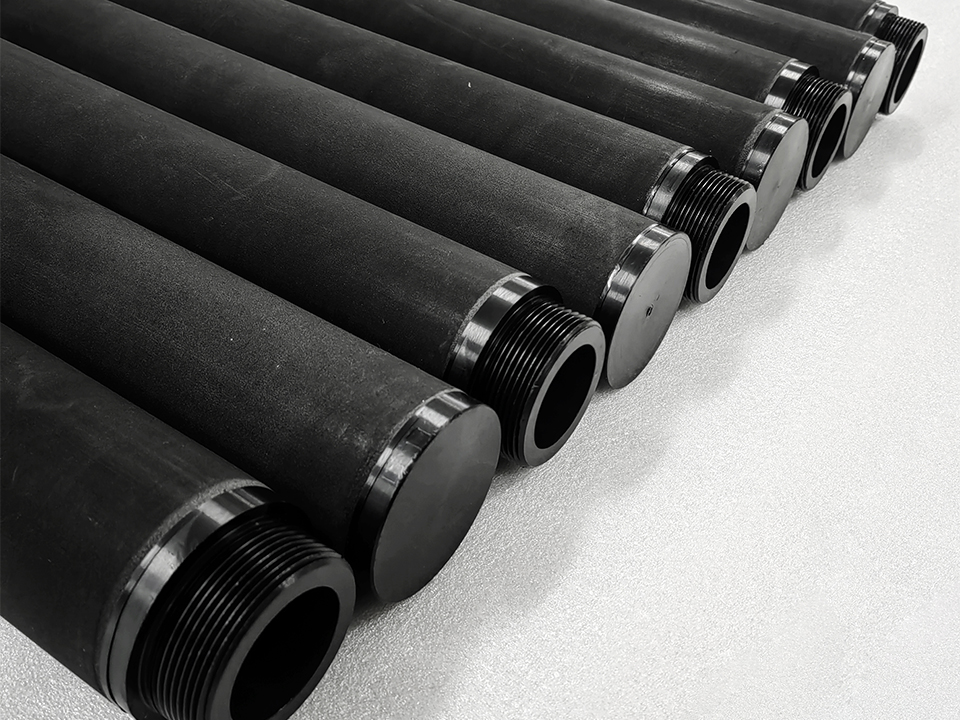
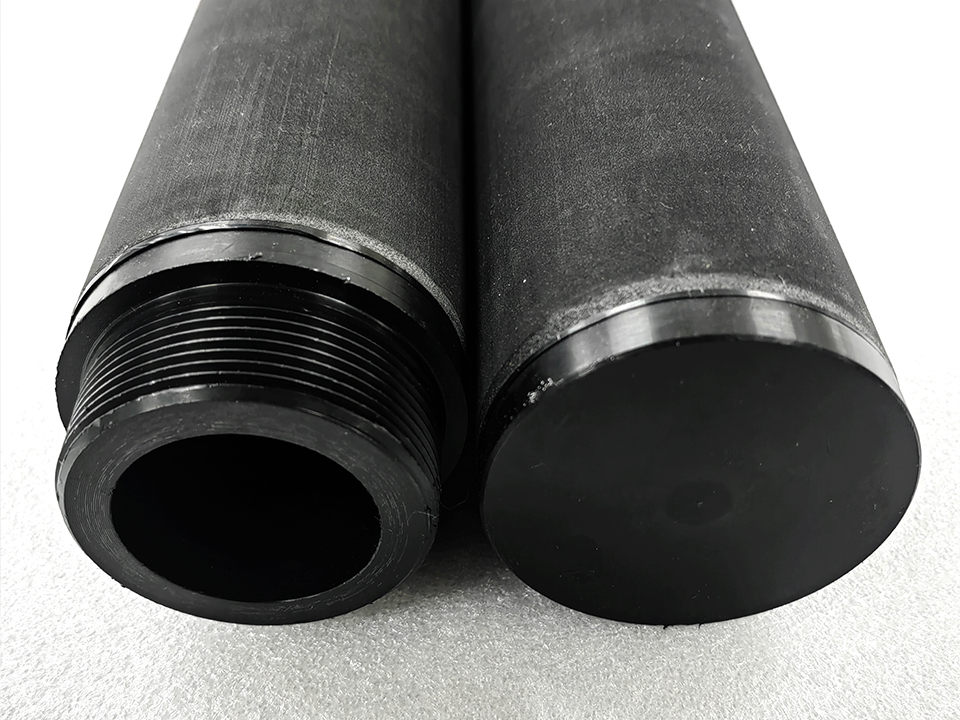
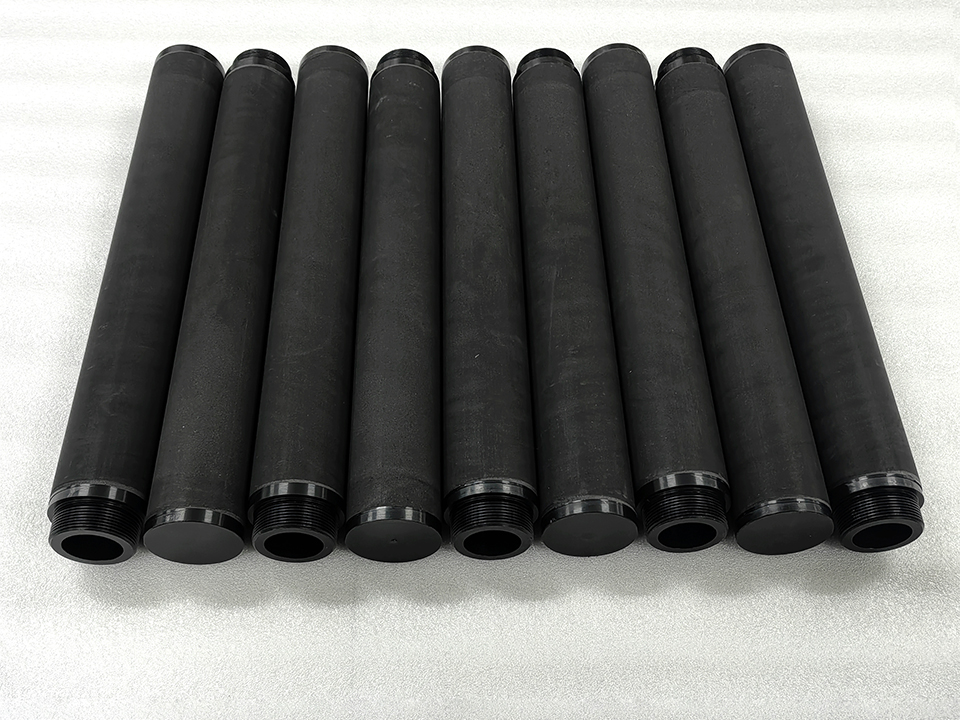
Pour les sédiments plus denses, Cartouches filtrantes « jumbo » en polypropylène (PP) de type « melt-blown », disponibles dans des configurations de 1 à 50 µm peuvent assurer une filtration en profondeur utile en amont des membranes ou des équipements de traitement sensibles. La gamme proposée comprend des longueurs allant jusqu’à 60 pouces, des diamètres standard d’environ 60 à 65 mm, des diamètres « jumbo » d’environ 110 à 115 mm, une structure en PP et une température de fonctionnement maximale de 80 °C.
Il ne faut toutefois jamais confondre la pression différentielle maximale du produit avec son seuil de remplacement normal.
Ma règle d'or : concevoir en fonction de la capacité utile de chargement de terre, et non de la pression de survie.
Une cartouche capable de résister structurellement à une pression différentielle de près de 3 bars peut néanmoins devenir économiquement non viable bien avant d'atteindre cette valeur. Les coûts de pompage augmentent, les joints sont soumis à des contraintes, le risque de dérivation s'accroît et la production devient vulnérable à un pic de pression soudain.
La perte de charge : un coût que personne ne prend correctement en compte
À 200 m³/h :
Q = 200 ÷ 3 600 = 0,0556 m³/s
La puissance hydraulique consommée par la pression différentielle du filtre est la suivante :
P = Q × ΔP
Pour chaque 1 bar, soit 100 000 Pa, à travers le système de filtration :
P hydraulique = 0,0556 × 100 000 = 5,56 kW
Rendement de la pompe 75% :
P électrique = 5,56 ÷ 0,75 = 7,41 kW
À raison de 8 000 heures de fonctionnement par an :
7,41 × 8 000 = 59 280 kWh/an
À titre d'exemple, pour un prix de l'électricité de 1 TP4T 0,10/kWh, ce 1 bar superflu coûte environ :
59 280 × $0,10 = $5 928 par an
Cela concerne un seul système.
Cela exclut les frais liés à la demande, les pertes des moteurs en dehors du rendement supposé, les interruptions de production, la main-d'œuvre et la réduction de la durée de vie des éléments. Une cartouche bon marché fonctionnant en permanence à une pression différentielle élevée peut s'avérer être la solution la plus coûteuse.
Je préfère acheter un emplacement de cartouche supplémentaire plutôt que de forcer quatre cartouches à fonctionner à la limite de leurs capacités hydrauliques.
Le dimensionnement d'un boîtier ne se résume pas à compter les trous d'une plaque tubulaire
Une fois le nombre de cartouches déterminé, le dimensionnement du boîtier de filtre à cartouches multiples doit tenir compte des éléments suivants :
Vitesse à l'entrée et à la sortie
Répartition du débit sur chaque élément
Surface ouverte de la plaque tubulaire
Espacement des cartouches
Aération et vidange complète
Type de fermeture et jeu d'ouverture
Poids de l'élément humide
Marge de corrosion
Compatibilité des joints
Pression de calcul et exigences réglementaires
Hauteur de retrait de l'élément
À 200 m³/h, le débit volumétrique est d'environ 0,0556 m³/s.
Une section interne de passage d'environ DN150 peut générer une vitesse proche de 3 m/s, en fonction de l'épaisseur réelle de la conduite. Un raccord DN200 est plus proche de 1,8 m/s. Un raccord de plus grand diamètre se traduit généralement par des pertes locales moindres et une distribution plus douce, même si le choix de la buse doit tout de même respecter la norme de tuyauterie de l'installation et la vitesse admissible.
Une mauvaise répartition compromet le bon dimensionnement des filtres à cartouche. Les éléments les plus proches de l'entrée reçoivent une quantité disproportionnée de particules solides, s'encrassent en premier et donnent l'impression que les autres cartouches sont sous-sollicitées. Les opérateurs attribuent alors le problème à la qualité des cartouches, alors que le véritable défaut réside dans le système hydraulique de la cuve.
A Boîtier à cartouche unique en acier inoxydable 304/316 pour éléments de 10 à 40 pouces n'est pas fiable en tant que filtre principal à 200 m³/h. Il peut toutefois donner de bons résultats sur une boucle d'échantillonnage, une conduite pilote, un flux latéral de produits chimiques, une dérivation de protection des instruments ou un point de filtration finale.
C'est là que doit se trouver un logement individuel.
Ce que nous révèlent réellement les données industrielles récentes
Les données les plus pertinentes pour 2024 ne disent pas : “ Installez toujours cinq cartouches. ” Elles indiquent que les performances de filtration doivent être évaluées dans le cadre d'un système complet.
Lors de la réunion d'échange entre pairs organisée le 21 août 2024 par le ministère américain de l'Énergie sur la qualité et la réutilisation des eaux industrielles, le projet de filtration automatisée de Nissan a été mis en avant ; selon les informations fournies, ce projet permettrait de réaliser des économies de 48,6 millions de gallons d'eau par an en supprimant les pratiques de rinçage à passage unique. La leçon à en tirer va au-delà du chiffre annoncé : la valeur ajoutée de la filtration provient de l'automatisation, de la stratégie de réutilisation et de l'intégration des processus, et non de l'achat d'éléments filtrants isolés.
Le guide 2024 de Pall soulève un point moins mis en avant mais tout aussi important : les débits recommandés pour les cartouches sont des valeurs indicatives destinées à optimiser la durée de vie du filtre, tandis que les valeurs de perte de charge doivent être vérifiées dans la fiche technique du produit concerné. Le débit indiqué dans le catalogue constitue donc une valeur de départ, et non une valeur définitive pour la cartouche.
Et l'écart en matière d'adoption reste important. L'EPA a indiqué qu'en 2024, moins de Projets 2% du programme de développement rural de l'USDA comprenait un volet consacré à la réutilisation de l'eau, alors même que cette réutilisation pouvait faire l'objet de prêts et de subventions spécifiques. J'y vois la preuve que le secteur continue de sous-investir dans les systèmes hydrauliques intégrés tout en consacrant des dépenses excessives à l'entretien réactif.
Les données de l'appel d'offres qui permettent d'éviter un mauvais achat
Un fournisseur ne peut pas déterminer de manière fiable le nombre de cartouches à partir des informations suivantes : “ eau, 200 m³/h, 5 microns ”.”
Envoyez une base de conception conforme :
Données obligatoires pour l'appel d'offres
Pourquoi cela modifie-t-il les dimensions ?
Débit normal et débit de pointe
Détermine la charge hydraulique et la plage de réglage
Plage de températures
Modifications concernant la viscosité, les joints d'étanchéité et les limites des fluides
Viscosité
A une incidence directe sur la pression différentielle nette
TSS en mg/L
Indique le taux de chargement
Répartition granulométrique
Indique si la filtration en profondeur ou en surface est adaptée
Classification nominale ou absolue
Empêche les fausses équivalences en microns
Rendement requis
Définit les performances réelles en matière de suppression
ΔP maximal en conditions de propreté
Permet de conserver une capacité de chargement utile
ΔP au niveau du terminal
Configuration de la commande de remplacement
Heures de fonctionnement requises
Convertit les charges en durée de vie prévue
Composition chimique et pH
Détermine la compatibilité entre le PP, le SUS304, le SUS316L et les joints d'étanchéité
Philosophie de la redondance
Détermine le mode de fonctionnement (en service, en veille ou en duplex)
Sans données, pas de confiance.
Et je rejetterais toute promesse ferme concernant la durée de vie d'une cartouche qui ne reposerait pas sur des essais représentatifs en milieu liquide ou sur des données fondées concernant la charge en contaminants. Une cartouche peut durer six semaines dans une eau clarifiée et stable, et six heures après un nettoyage du réservoir.
Questions fréquemment posées
Comment détermine-t-on la taille d'un filtre à cartouche pour un système de 200 m³/h ?
Le dimensionnement d'un filtre à cartouches pour un système de 200 m³/h consiste, d'un point de vue technique, à diviser le débit nominal maximal par le débit admissible vérifié par cartouche, en tenant compte de la viscosité, des solides en suspension, la finesse de filtration, la perte de charge, la marge de colmatage, la température de fonctionnement et la redondance, puis d'arrondir à l'unité supérieure pour obtenir une configuration pratique de boîtier à plusieurs cartouches.
Pour obtenir un débit corrigé de 54 m³/h par cartouche, le système nécessite quatre cartouches en service. L'ajout d'une position de réserve donne un boîtier à cinq cartouches.
Combien de cartouches filtrantes faut-il pour un débit de 200 m³/h ?
Un système de filtration d'une capacité de 200 m³/h nécessite généralement environ quatre cartouches en service et une cartouche de réserve, étant donné que les éléments à haut débit de 60 pouces, une fois validés, peuvent traiter en toute sécurité environ 900 L/min chacun après correction ; les cartouches standard pouvant en nécessiter des dizaines, le nombre définitif doit être déterminé à partir des courbes de pression différentielle et de débit spécifiques au produit.
En cas d'eau sale ou de fonctionnement en mode économique, ce nombre peut atteindre six éléments en service plus un en réserve. Le chiffre de cinq constitue donc un bon point de départ sur le plan budgétaire, mais pas une garantie absolue.
Quelle est la meilleure taille de filtre à cartouche pour un débit de 200 m³/h ?
Pour un débit de 200 m³/h, la taille de cartouche la plus adaptée est généralement un format à grand diamètre et à haut débit (40 ou 60 pouces), car cela permet de réduire le nombre d'éléments filtrants, le diamètre du boîtier, la main-d'œuvre nécessaire au remplacement et le nombre de points d'étanchéité, à condition que la finesse de filtration du média, la finesse de filtration, la composition chimique, la température et la pression différentielle à l'état propre correspondent au profil réel du liquide et de la contamination.
Un format de 60 pouces offre généralement le nombre d'éléments le plus faible. Une conception de 40 pouces peut s'avérer plus adaptée lorsque la hauteur sous plafond, la hauteur libre de levage ou les contraintes de manutention de l'opérateur déterminent la conception de la cuve.
Comment calcule-t-on le nombre de cartouches filtrantes nécessaires ?
Le nombre de cartouches est calculé en convertissant le débit du système dans les mêmes unités que celles utilisées pour la capacité nominale des cartouches, en divisant le débit de pointe par le débit admissible corrigé par élément, en arrondissant à l'unité supérieure, puis en ajoutant une marge de conception ou une position de secours N+1 afin que le boîtier puisse assurer le débit requis en cas d'encrassement, d'entretien ou de charge anormale en matières solides.
Pour un débit du système de 3 333 L/min et un débit corrigé de la cartouche de 900 L/min, le résultat est de 3,70. Arrondissez à quatre cartouches de service, puis ajoutez la redondance requise.
Un boîtier à cartouche unique peut-il traiter un débit de 200 m³/h ?
Un boîtier à cartouche unique ne convient pas comme filtre principal pour un débit de 200 m³/h, car un élément conventionnel de 10 à 40 pouces ne peut pas supporter cette charge hydraulique avec une perte de charge acceptable ; il peut toutefois servir de boucle pilote, de conduite d'échantillonnage, de dérivation pour les produits chimiques ou de point de polissage en aval.
Cette application principale nécessite un réservoir à cartouches multiples correctement réparties, un boîtier à haut débit ou plusieurs boîtiers montés en parallèle. Une configuration en duplex peut également s'avérer appropriée lorsqu'un fonctionnement ininterrompu est indispensable.
Obtenez un nombre de cartouches justifiable pour un débit de 200 m³/h
N'indiquez pas uniquement le débit.
Veuillez indiquer la composition du fluide, la température, la viscosité, la teneur en matières en suspension totales (TSS), la distribution granulométrique, l'efficacité de filtration au micron, le programme de fonctionnement, la pression différentielle admissible, la longueur recommandée de la cartouche, le matériau du boîtier et les exigences en matière de redondance.
Pour établir un budget préliminaire, commencez par cinq cartouches à haut débit de 60 pouces : quatre en service et une de réserve. En matière d'approvisionnement, demandez la courbe de débit, calculez la capacité corrigée, vérifiez la vitesse au niveau de la buse et obtenez une confirmation écrite de la pression différentielle de propreté attendue.