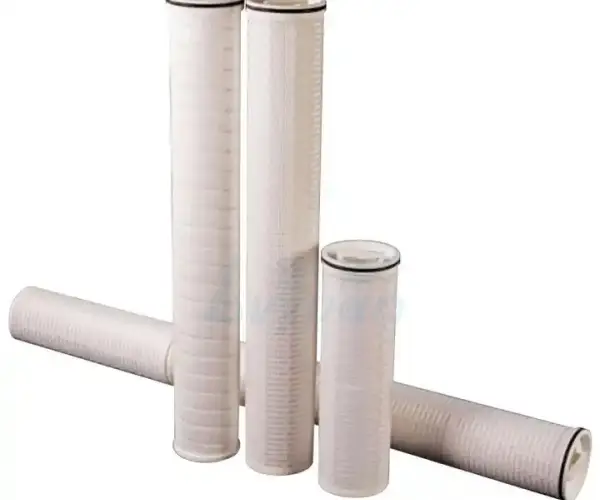
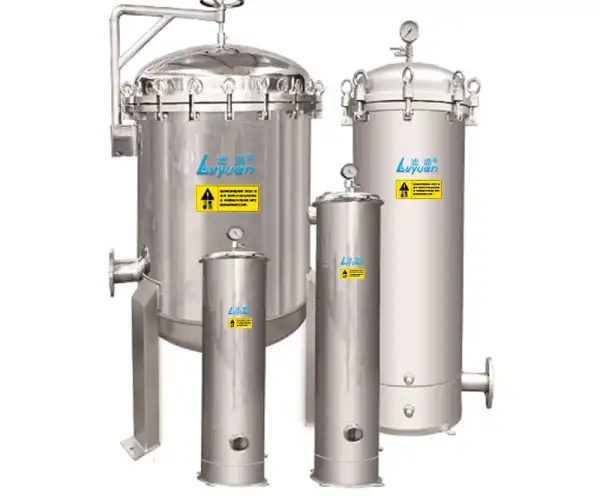
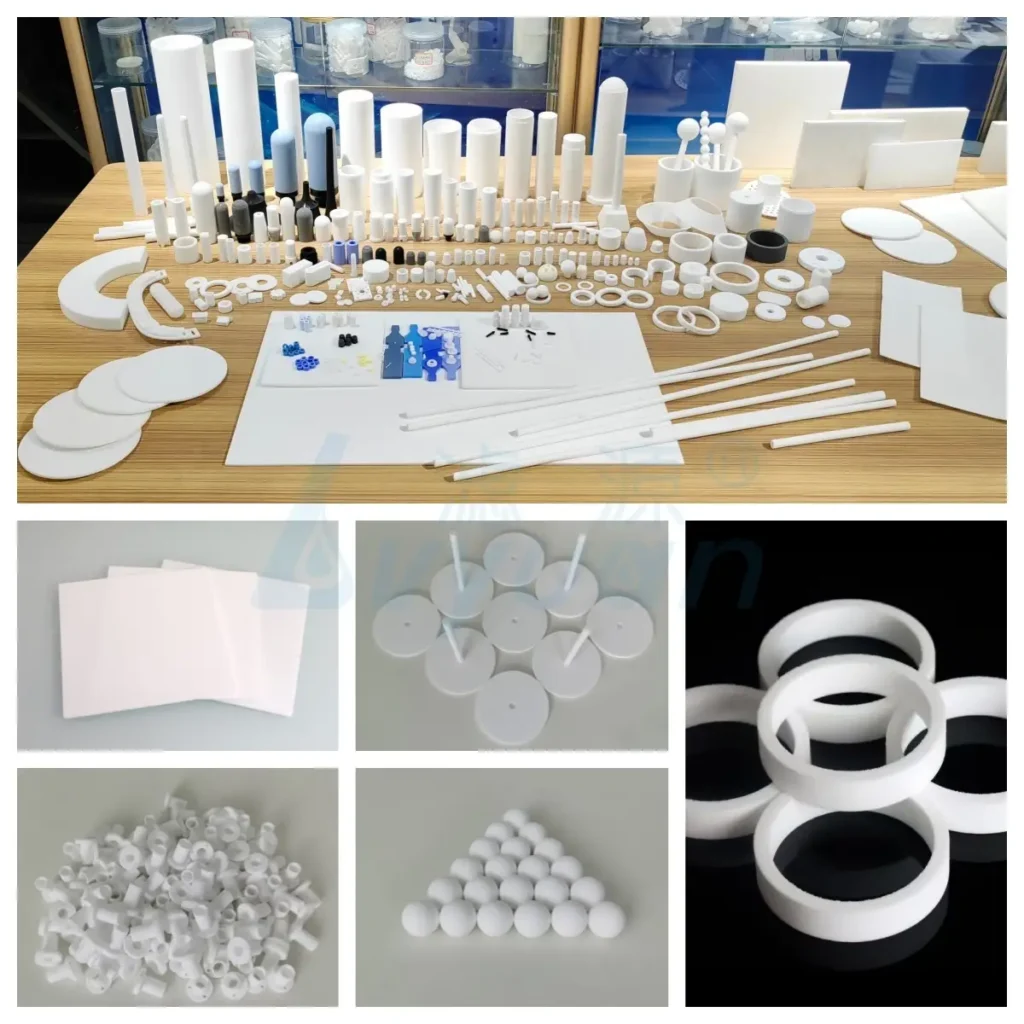
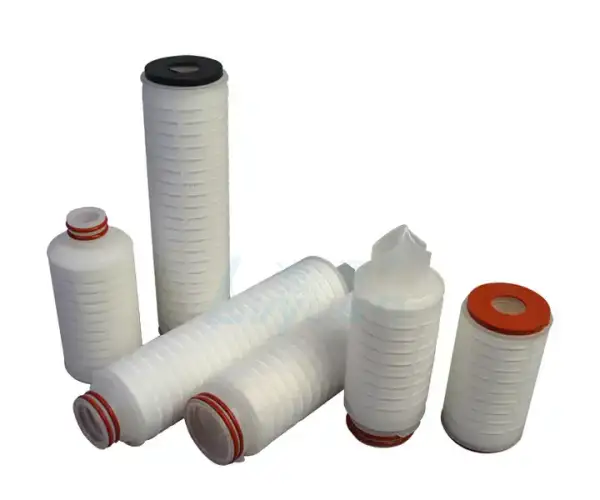
Guangzhou Lvyuan Water Purification Equipment Co., Ltd. is an industrial filter manufacturer founded in 2009 that designs and manufactures stainless steel filter housings, stainless steel sterile water tanks, filter elements, filter bags, ultra-polymer materials, and sintered filter products. Buyers choose Lvyuan for OEM/ODM support, ISO9001 quality control, and multi-country certifications.
Guangzhou Lvyuan Water Purification Equipment Co., Ltd.
Abstract In the context of increasingly stringent food safety and quality requirements, filtration technology has become one of the core processes in the food and beverage industry. This article systematically discusses the classification of filtration technology, process design, key equipment selection and industry application cases, combined with authoritative data and experimental results, to analyze how to achieve product safety through scientific filtration solutions to improve, optimize costs and sustainable development. The article focuses on comparing the performance differences of ultrafiltration, microfiltration, nanofiltration and other membrane separation technologies. Introduction In the highly competitive food and beverage market, product quality and safety is the cornerstone of enterprise survival and development. Filtration technology, as an important part of the production process, not only effectively removes impurities and pollutants, but also enhances the taste of the product and extends the shelf life. As consumers’ concern for health and safety continues to grow, the selection of efficient and safe filtration systems has become particularly important. This article will comprehensively analyze the food and beverage industry filtration technology to help companies make informed choices.
I. Classification and Core Value of Filtration Technology
1.1 Classification System of Membrane Separation Technology
According to the standards of International Membrane Separation Association (IMSA), the mainstream technologies can be divided into four major categories (Table 1):
Technology Type
Pore Size Range (nm)
Main Functions
Typical Application Scenario
Microfiltration (MF)
100-1000
Bacteria removal, particle interception
Milk pasteurization pretreatment
Ultrafiltration (UF)
1-100
Protein Concentration, Lactose Separation
Ultrafiltered Milk Production
Nanofiltration (NF)
0.5-2
Desalination, Small Molecule Organic Removal
Fruit Juice Deacidification
Reverse Osmosis (RO)
<0.5
Water purification, concentrate recovery
Pure water preparation
Taking ultrafiltration technology as an example, its physical retention mechanism can increase the protein content of milk from the conventional 3.6g/100ml to 6g/100ml, realizing nutritional enhancement. In the processing of watermelon juice, the retention rate of sugar and vitamin C exceeds 90%, while the sterilization rate reaches 99.9%, which is significantly better than the traditional autoclave sterilization process.
1.2 Economic value of filtration technology
According to Donaldson’s (Donaldson) 2024 industry report, optimizing filtration systems can enable dairy companies to:
Reduce production costs by 12%-18% (by reducing cartridge replacement frequency and energy consumption)
Reduce product obsolescence by 23% (precision filtration reduces the risk of microbial contamination)
Equipment life extension of 30% (pre-filtration to protect the core membrane module)
2.food and beverage filtration process design
2.1 Three-stage filtration system construction
Industry best practices typically utilize a three-stage filtration architecture :
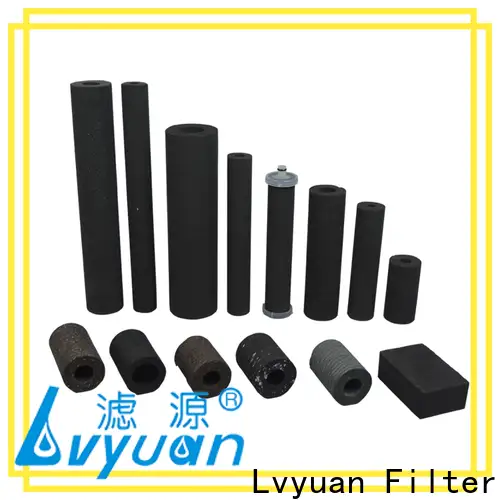
Pre-filtration (10-50μm): Intercepts large particles of impurities (e.g., sediment, fibers) to protect subsequent equipment. The high flow cartridge filter of LVYUAN can realize a 40% increase in dirt-holding capacity at this stage.
Fine filtration (0.5-5μm): Remove microorganisms and colloids, such asLVYUAN sintered filter cartridge through the gradual tightening of the nylon membrane to achieve 99.9% bacteria retention.
Terminal Bacteria Removal (0.2-0.45μm): PTFE membrane cartridge (e.g. pleated filter cartridge) guarantees sterility of filling, with phage removal rate of >99.9999% as shown in challenging tests.
2.2 Critical Control Point (CCP) Identification
According to HACCP principles, filtration barriers are required at the following points:
Ingredient water treatment: RO system to remove heavy metals and pesticide residues
CIP wash water circuit: 5μm stainless steel filter to intercept corrosive particles in the pipeline
Pre-filling terminal filtration: double-layer PES membrane to ensure microbiological safety
3.Technical Decision Matrix for Filter Cartridge Selection
3.1 Comparison of materials and performance (Table 2)
Cartridge Type
Advantages
Limitations
Application Scenarios
Polypropylene meltblown
Low cost, acid and alkali resistant
Low dirt-holding capacity (<200g/m²)
Prefiltration, syrup clarification
Polyethersulfone Folded
High flux (>500L/m²-h), high temperature resistance
Price 30% higher than meltblown cartridges
Fruit juice sterilization, dairy concentration
Sintered Titanium
High mechanical strength, repeatable cleaning
2-3 times higher initial investment
High viscosity materials (e.g. sauces)
PTFE hydrophobic membrane
Gas sterilization efficiency >99.999%
Regular hydrophobic treatment required
Nitrogen/CO2 filtration
3.2 Cost-benefit Analysis Model
Take 100,000 tons of annual production capacity of beverage enterprises as an example:
Conventional meltblown cartridge: annual replacement cost is about $120,000, but product loss rate is 4.2%.
Lvyuan pleated cartridge: the initial investment is a little higher, but the replacement frequency is reduced much, the comprehensive cost savings more than $20,000 /year.
4. Industry Application Cases and Technology Breakthroughs
4.1 Dairy Innovation: Industrialization of Ultrafiltration Beverage
High-efficiency filtration systems effectively remove harmful microorganisms from food and beverages, reducing the risk of product contamination. Case Study: A dairy company’s adoption of aseptic filtration technology has resulted in a significant reduction in the bacterial content of its products and an improved reputation in the marketplace.
4.2 How filtration technology can extend product shelf life
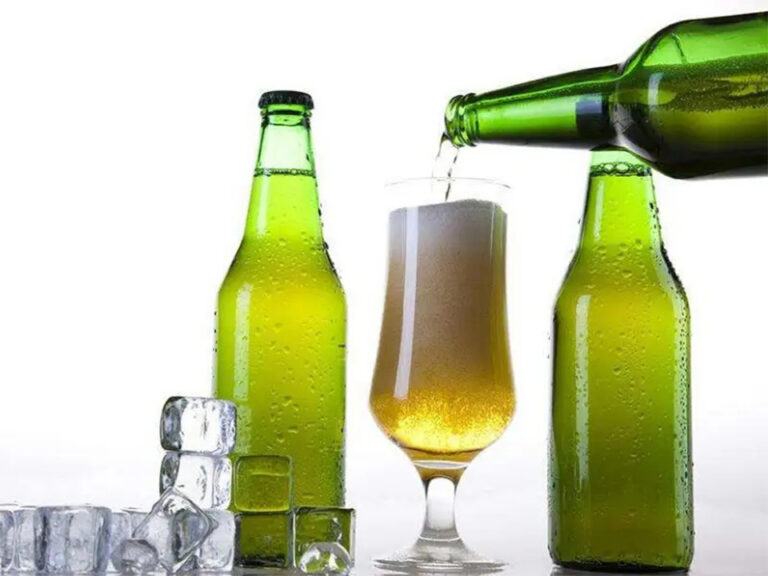
Removing harmful particles such as sediment and haze slows down the product deterioration process. Maintains the desired taste, texture and appearance of the product and extends shelf life. Data comparison: Filtered fruit juices have a shelf life more than 50% longer than unfiltered. Filtered beer is significantly more stable, avoiding sedimentation and spoilage.
5. Future Trends and Technological Innovations
Intelligent filtration system: IoT sensors monitor the differential pressure and flow rate in real time, and predict the life of filter cartridge (error <±5%)
Green Manufacturing Process: bio-based filter material reduces carbon footprint by 42%.
Molecular-level separation technology: developing 0.1μm graphene membrane, which can realize virus-level interception
Summary Food and beverage filtration technology has evolved from simple physical separation to systematic engineering with multi-technology integration. Enterprises need to select appropriate filtration solutions based on product characteristics (e.g., pH, viscosity, thermal sensitivity), while combining cost-benefit analysis with sustainable development goals. In the future, with the innovation of membrane materials and the popularization of intelligent monitoring technology, the filtration process will be more efficient and accurate to escort food safety and quality upgrade.