Guangzhou Lvyuan Water Purification Equipment Co. est un fabricant de filtres industriels fondé en 2009 qui conçoit et fabrique des boîtiers de filtre en acier inoxydable, des réservoirs d'eau stérile en acier inoxydable, des éléments filtrants, des sacs filtrants, des matériaux ultra-polymères et des produits filtrants frittés. Les acheteurs choisissent Lvyuan pour son support OEM/ODM, son contrôle qualité ISO9001 et ses certifications multi-pays.
Guangzhou Lvyuan Water Purification Equipment Co. Ltd.
Guide sur la réduction de l'indice SDI à l'aide de boîtiers de filtration dans les usines de dessalement
Toutefois, les résultats obtenus lors d'un test au banc de 15 minutes peuvent révéler une instabilité du débit d'admission, une coagulation insuffisante, un colmatage des filtres à média, des cartouches sous-dimensionnées, un contournement des joints d'étanchéité, des techniques de remplacement inadéquates ou une chaîne de prétraitement soumise à des contraintes hydrauliques dépassant ses limites.
Alors pourquoi les usines continuent-elles à considérer cela comme une simple case à cocher dans un rapport de laboratoire ?
Je suppose que la réponse n'est pas très réjouissante : l'indice de densité des sédiments (SDI) est souvent mesuré par le laboratoire de recherche, tandis que les répercussions économiques découlent des procédures opérationnelles. Lorsque le SDI augmente, personne ne constate immédiatement qu'une pompe est endommagée ou qu'une canalisation est fissurée. Les dommages apparaissent progressivement : augmentation de la contrainte différentielle, diminution du débit de pénétration normalisé, cycles de nettoyage en place (CIP) plus fréquents, réduction de la durée de vie de la membrane et augmentation de la consommation d'énergie spécifique.
Ce contretemps rend la complaisance coûteuse.
Une évaluation réalisée en 2024 à l'aide des membranes d'osmose inverse pour l'eau de mer FilmTec SW30ULE-440i et LG SW-440R a estimé que la réduction du facteur d'encrassement prévu de 1,0 à 0,6 entraînait une diminution du débit de perméat d'environ 291 TP3T et 331 TP3T, respectivement. Dans ces mêmes conditions, la consommation d’énergie modélisée a augmenté de 411 TP3T pour la membrane FilmTec et de 501 TP3T pour la membrane LG.
L'espace dédié au filtrage en amont du module d'osmose inverse n'est donc pas un conteneur en acier abritant des cartouches jetables. Conçu de manière optimale, il constitue la dernière barrière physique entre l'eau de prétraitement instable et un ensemble de membranes très coûteuses.
Quelles sont les étapes concrètes de l'indice de densité des sédiments ?
L'indice d'épaisseur de sédiment permet de déterminer la vitesse à laquelle les particules et les matières colloïdales obstruent une membrane d'essai de 0,45 micron soumise à une pression continue.
Selon la méthode standard, l'eau traverse une couche de membrane de 47 mm sous une pression de 207 kPa, soit 30 psi. L'opérateur note le temps nécessaire pour recueillir 500 ml, d'abord au début de l'essai, puis à l'issue d'une durée de filtration spécifiée, généralement de 15 minutes. La valeur SDI15 ainsi obtenue représente la vitesse à laquelle la membrane d'essai perd de sa perméabilité.
DuPont définit le SDI comme un indicateur de la quantité de particules et de la propension à l'encrassement des systèmes d'osmose inverse (RO) et de nanofiltration (NF), tout en soulignant que l'indice d'encrassement modifié (Modified Fouling Index) peut offrir une prévision plus précise des tendances d'encrassement. Son guide d'utilisation recommande de mesurer fréquemment le SDI et considère que trois mesures par jour constituent une fréquence raisonnable pour les applications liées aux eaux de surface.
Le SDI est utile. Ce n'est pas de la magie.
Il ne détecte pas directement la substance contaminante. Un indice SDI de 4,2 peut indiquer une forte présence d’argile, de résidus de corrosion, de résidus de coagulation, de fragments de plancton, d’hydroxyde de fer, de composés polymères extracellulaires ou de particules s’échappant d’un joint endommagé. Deux échantillons d'eau peuvent présenter des valeurs SDI comparables tout en se comportant différemment à l'intérieur d'un élément d'osmose inverse à enroulement spiralé.
C'est pourquoi je me méfie de toute réunion de dépannage qui commence et se termine par “ le SDI est conforme aux exigences ”.”
Selon quelles exigences ?
Quelle est la valeur acceptable de l'indice SDI pour les membranes d'osmose inverse ?
Un indice SDI15 inférieur à 5 est généralement considéré comme la limite optimale pour l'eau d'alimentation d'un système d'osmose inverse (RO) ; toutefois, le simple fait de rester en dessous de 5 ne doit pas être confondu avec le fonctionnement en toute sécurité d'une usine de dessalement.
Les conditions d'exploitation de DuPont exigent que l'indice SDI15 de l'eau d'alimentation, déterminé à 30 psi, reste inférieur à 5,0. Ses recommandations en matière de conception des installations sont bien plus révélatrices : pour l’eau de mer, les valeurs de conception recommandées varient en fonction de la configuration du prélèvement et du prétraitement, les objectifs fixés étant un SDI inférieur à 2,5, inférieur à 3 et inférieur à 5. Une qualité d’eau d’alimentation inférieure nécessite également des hypothèses plus conservatrices en matière de renouvellement et de récupération.
Mon analyse fonctionnelle est plus rigoureuse :
Résultat SDI15
Interprétation fonctionnelle
Action suggérée
Inférieur à 2,5
Alimentation en eau brute de très haute qualité pour l'osmose inverse
Conserver la procédure actuelle et le profil de pression différentielle
2,5 – 3,0
Contrôlé normalement
Profitez de la polyvalence, du chargement des cartouches et des conditions biologiques
3,0 – 4,0
Marginal pour une procédure RO hostile
Réduire au minimum les hypothèses de variation et évaluer l'efficacité du prétraitement
4,0 – 5,0
Exposition directe à un fort encrassement
Il faut remédier au problème avant d'optimiser la production.
Supérieur à 5,0
Inacceptable pour l'alimentation régulière de l'osmose inverse
Interrompre ou réduire l'alimentation et examiner l'ensemble de la chaîne de prétraitement
Il s'agit là de plages de fonctionnement, et non de restrictions mondiales de garantie. L'eau de mer à prise d'eau ouverte, l'alimentation par puits de plage, les conditions algales saisonnières et les eaux côtières influencées par les eaux usées ont des effets différents.
La tendance a également son importance. Une usine dont l'indice SDI se situe entre 2,2 et 2,7 se trouve généralement dans une situation plus saine qu'une autre dont l'indice oscille entre 1,8 et 4,8, même si les deux peuvent afficher une moyenne mensuelle inférieure à 3.
Les normes masquent les événements.
Pourquoi les filtres immobiliers peuvent réduire le SDI… ou, à l'insu de tous, l'aggraver
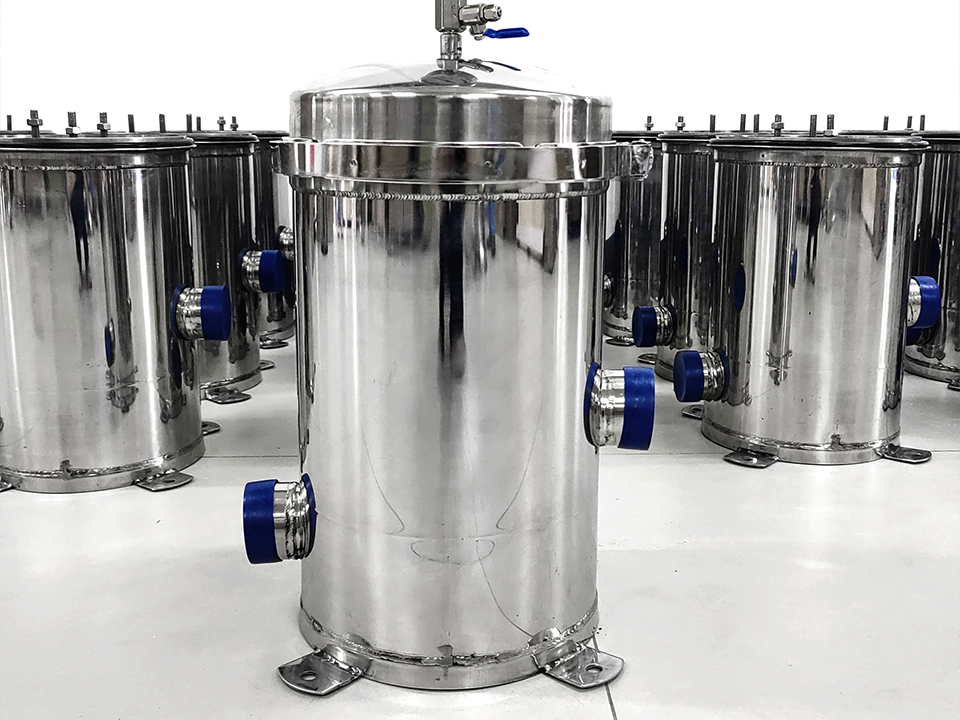
Un boîtier de filtre à cartouche ne permet de réduire l'indice SDI que lorsque l'eau contaminée est forcée de passer à travers un média filtrant correctement sélectionné, sans contourner celui-ci.
Cela semble important. Ce n'est pas toujours le cas.
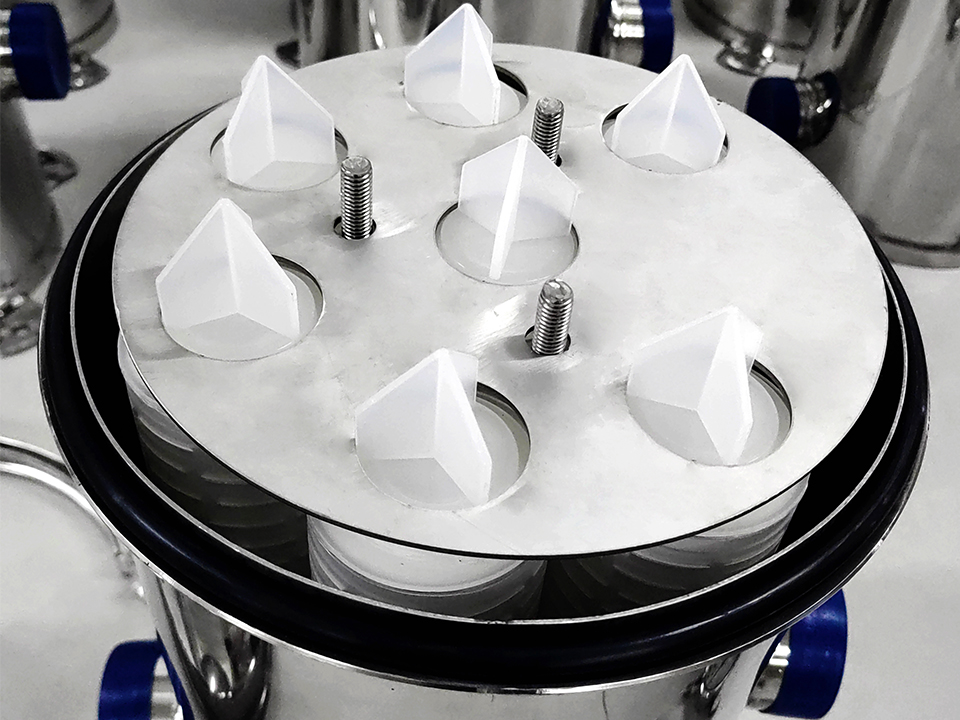
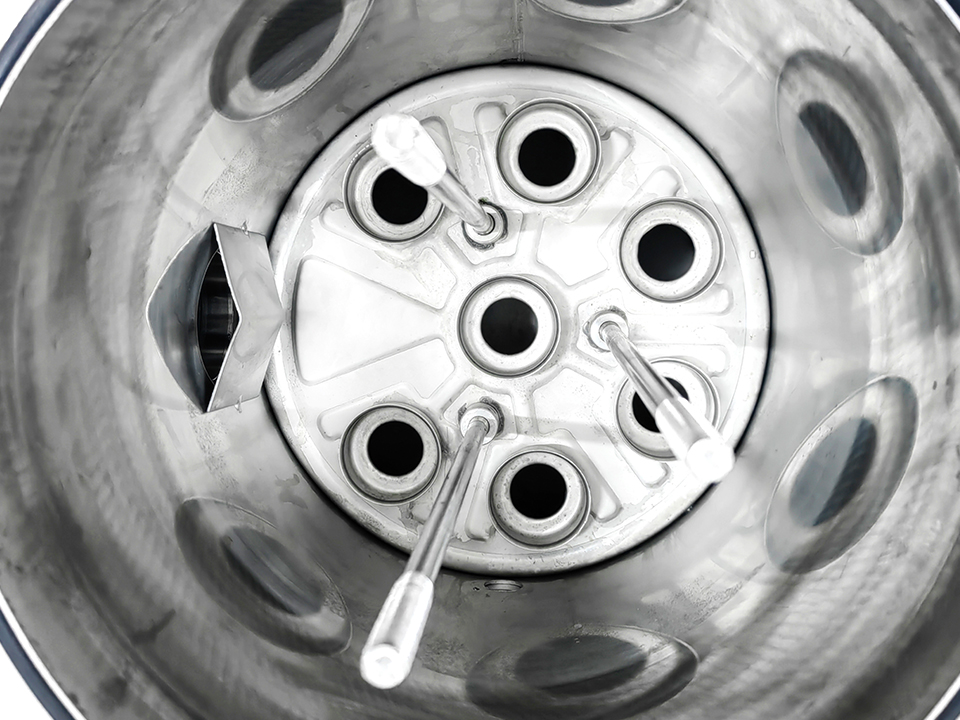
Le système doit répartir le flux entre les cartouches installées, assurer une étanchéité parfaite de chaque cartouche, résister aux contraintes de fonctionnement, évacuer l'air emprisonné, permettre un drainage complet et éviter la formation de zones mortes internes. La taille des cartouches, la géométrie des embouts, le type d'adaptateur, le matériau des joints et la résistance des plaques tubulaires doivent être adaptés les uns aux autres.
Un seul joint torique endommagé peut rendre l'ensemble du montage inutilisable.
Et le simple fait d'ajouter des cartouches ne résout pas immédiatement le problème. Si la configuration d'entrée achemine une grande partie du débit vers une zone spécifique du boîtier, une partie des cartouches peut être surchargée tandis que les autres restent sous-utilisées. Les opérateurs constatent alors une augmentation prématurée de la pression différentielle, une durée de vie réduite des filtres et un SDI en aval instable, malgré une surface totale apparemment suffisante.
Voici mon point de vue : lorsque le service des achats considère les boîtiers de filtration comme de simples récipients sous pression, l'usine achète généralement à l'avance les produits chimiques qui serviront ultérieurement au nettoyage des membranes.
Un rapport publié en 2024, s'appuyant sur des autopsies approfondies de membranes de dessalement, a révélé que les problèmes de fonctionnement peuvent être dus à des encrassements de nature particulaire, colloïdale, non naturelle, organique et inorganique, plutôt qu'à un seul type d'encrassement. Cette constatation justifie l'adoption d'une stratégie d'analyse plus globale, plutôt que de se contenter de critiquer la dernière cartouche chaque fois que le rendement de l'osmose inverse diminue.
La place des boîtiers de filtres à cartouche dans le prétraitement du dessalement
Dans une station d'osmose inverse (RO) classique traitant l'eau de mer, les cartouches filtrantes sont généralement placées après l'étape principale d'élimination des solides et avant les pompes haute pression et les membranes d'osmose inverse.
Une série type peut comprendre :
Puits à consommation ouverte ou puits côtier
Sélection sommaire
Coagulation et floculation
Flottation à air dissous, informations ou sédimentation
Filtration à double phase, microfiltration ou ultrafiltration
Boîtiers de filtres à cartouche
Application de produits chimiques et déchloration
Pompage à haute pression
Réseaux de membranes RO
L'étape de la cartouche doit servir de filtre de protection, et non de système principal d'élimination des matières solides.
Cette distinction a son importance. Lorsque l'on compte sur des cartouches de 5 microns pour pallier une coagulation insuffisante ou la rupture d'un filtre à média, la consommation de cartouches augmente considérablement et les équipes d'exploitation commencent à mettre en place des mesures d'urgence.
Les cartouches semblent fonctionner tant qu'elles ne sont pas encrassées. En réalité, elles sont en train de s'user.
Une étude réalisée en 2023 comparant l’ultrafiltration céramique et polymérique en tant que prétraitement d’un système d’osmose inverse pour l’eau de mer (SWRO) a révélé que, dans les conditions testées, le système céramique éliminait plus de cinq fois plus de carbone naturel liquéfié et environ 1,5 fois plus de particules d’exopolymères transparentes. La conclusion n’est pas que chaque installation ait besoin d’une UF céramique, mais que la qualité du prétraitement en amont détermine directement la charge imposée à la filtration finale par cartouche.
Choisir la bonne finesse de filtration d'une cartouche
La taille de filtration en microns la plus efficace est celle qui permet d'atteindre l'indice SDI requis en aval, tout en garantissant une contrainte différentielle et un coût de remplacement des cartouches acceptables.
Ce n'est pas le plus petit numéro du catalogue.
L'installation d'une cartouche de 1 micron à un endroit où une cartouche de 5 microns permettrait sans aucun doute d'atteindre l'objectif d'osmose inverse peut accroître la perte de charge, réduire la durée de vie utile et augmenter les coûts d'exploitation sans pour autant entraîner une réduction significative de l'encrassement de la membrane. À l'inverse, une cartouche d'une finesse nominale de 10 microns pourrait laisser passer trop de particules déformables ou fines lorsque la qualité de l'eau en amont est irrégulière.
Dans de nombreuses applications de filtres de protection pour osmose inverse, les opérateurs commencent par choisir un média filtrant à profondeur nominale de 5 microns, puis affinent leur choix à l'aide de données issues d'essais pilotes, de tests SDI et de courbes de comptage de particules. Une configuration en plusieurs étapes – par exemple 10 microns suivis de 5 microns – peut s’avérer judicieuse lorsque la charge en particules est élevée, mais uniquement après avoir effectué des calculs hydrauliques et d’analyse du coût du cycle de vie.
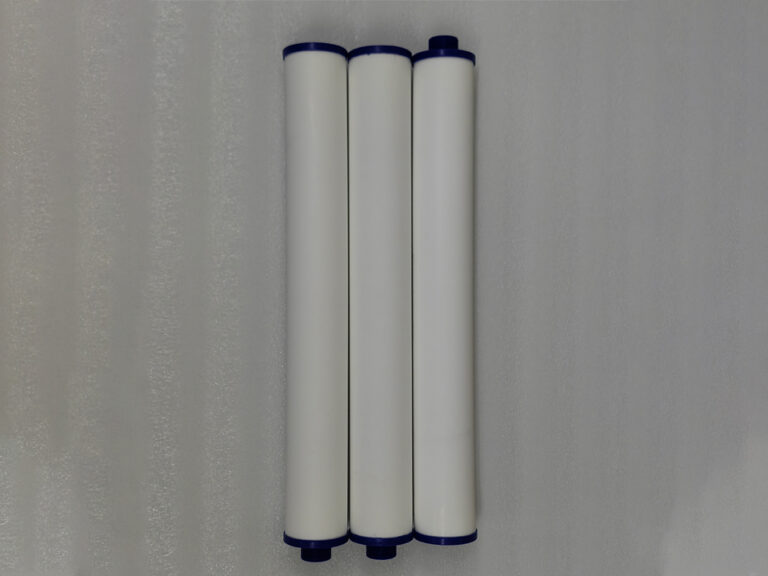
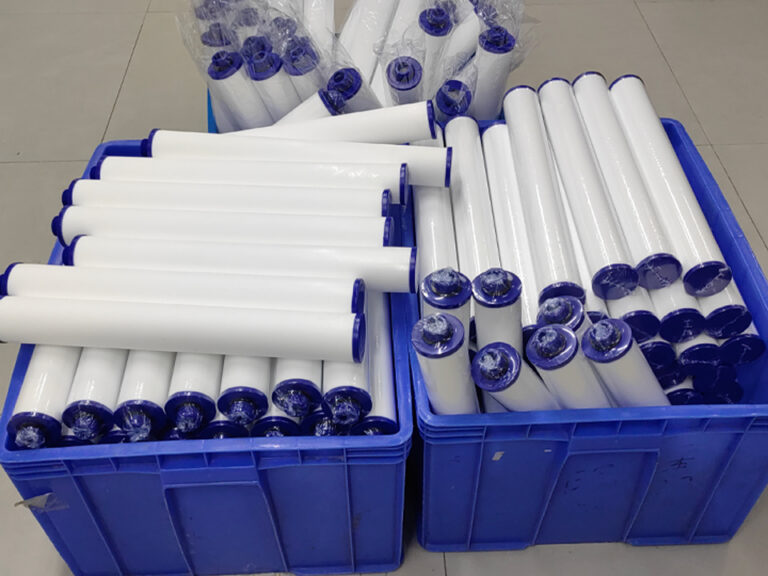
Pour les systèmes courants, Cartouches filtrantes en PP pour particules de 5 et 10 microns sont proposés en différentes longueurs, configurations d'adaptateurs et grades en microns. Les médias en polypropylène obtenus par soufflage à l'état fondu présentés ici utilisent une structure de filtration en profondeur conçue pour retenir les solides en suspension dans toute la cartouche, et non pas uniquement sur sa surface extérieure.
Les spécifications d'achat doivent indiquer une valeur supérieure à “ 5 microns ”. Elles doivent au minimum préciser :
Score de rétention nominal ou absolu
Ratio bêta ou efficacité vérifiée, le cas échéant
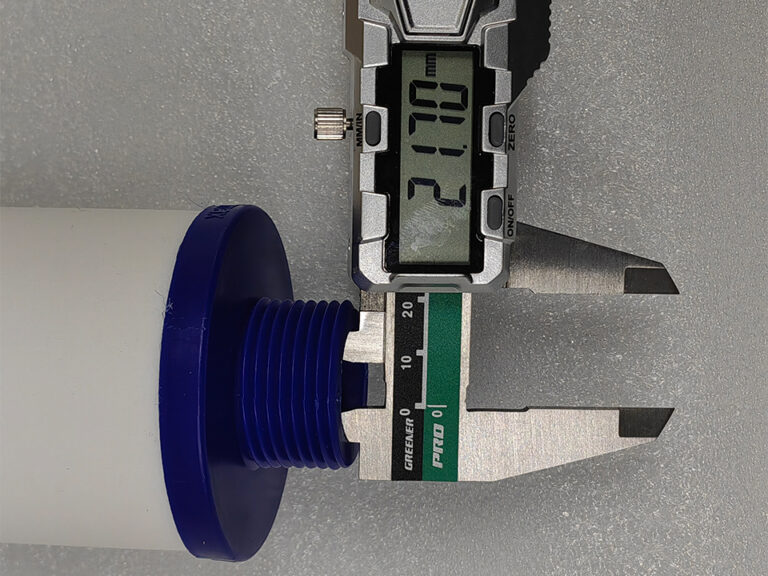
Dimensions de la cartouche et dimensions extérieures
Construction et réalisation d'installations de filtration en profondeur ou en surface
Contrainte différentielle nette au débit de conception
Contrainte différentielle optimale
Disposition des embouts
Matériau du joint torique
Plage de températures et compatibilité chimique
Exigences en matière de substances extractibles et de libération de fibres
“Une indication ” 5 microns » sans courbe de rendement ne constitue pas une spécification technique complète.
Dimensionnement des filtres à cartouche pour l'immobilier : une approche sans ambiguïté
Le dimensionnement des installations immobilières doit se baser sur le débit par cartouche, et non sur le diamètre global des canalisations de l'installation.
Le concepteur doit connaître la circulation optimale du fluide d'alimentation, la charge prévue en matières en suspension, la géométrie de la cartouche, la courbe de perte de charge à l'état propre du média filtrant, la viscosité de l'eau, la durée de traitement souhaitée et la pression différentielle terminale maximale admissible.
Prenons un exemple simplifié :
Une chaîne de dessalement nécessite un débit d'alimentation filtré par cartouche de 600 m FIVE/h. Si la cartouche de 40 pouces choisie présente un débit de circulation standard de 15 m FIVE/h, le nombre minimum théorique est de 40 cartouches. Cela ne correspond toutefois pas à la taille finale du boîtier.
Les marges de conception doivent correspondre à :
Une plus grande densité de remplissage des solides saisonniers
Variante « cartouche à cartouche »
Répartition irrégulière de la circulation
Évolutions futures des capacités
Encrassement avant le remplacement prévu
Un boîtier a été démonté lors de l'entretien
Limites de perte de charge en amont des pompes haute pression
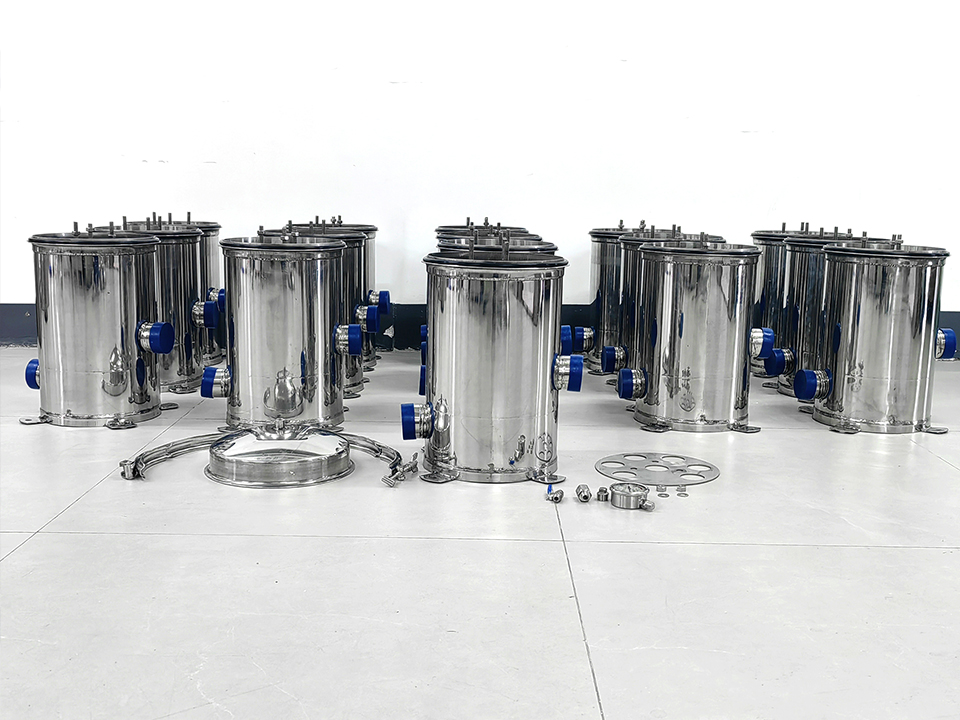
Une configuration en double (en service/en réserve) ou plusieurs modules parallèles peuvent s'avérer bien plus justifiables qu'un seul énorme réservoir. Des modules identiques permettent également de procéder à des remplacements planifiés, à des tests comparatifs des cartouches et à un entretien partiel sans devoir arrêter l'ensemble de la chaîne d'osmose inverse.
Pour un prétraitement à haut débit, un Cartouche sans noyau en polypropylène de 152 mm à haut débit peut permettre de réduire le nombre de composants spécifiques et de simplifier la manipulation, à condition que la circulation interne du système et la fixation de la cartouche soient validées au regard du coût d'exploitation.
Un nombre réduit de cartouches peut se traduire par moins de joints et des remplacements plus rapides. Cependant, une cartouche à haut débit réglée au-delà de son débit nominal ne fait que concentrer cette même erreur sur un composant bien plus coûteux.
Produits immobiliers en acier inoxydable : 304 ou 316L ?
Pour les applications en milieu marin, le choix des produits ne peut être dissocié de l'exposition aux chlorures, du niveau de température, de la teneur en oxygène, des produits chimiques de nettoyage et du fait que l'installation soit alimentée en eau de mer brute ou en filtrat traité chimiquement.
L'acier SUS304 peut convenir pour des eaux industrielles peu agressives, mais les environnements de dessalement riches en chlorure justifient souvent l'utilisation de l'acier SUS316L ou de matériaux encore plus résistants à la corrosion. Par ailleurs, l'acier 316L n'est pas automatiquement à l'abri de la détérioration par fissuration, de la corrosion par appariement ou de l'attaque au niveau des soudures et des zones fixes.
Demande de documents administratifs.
Une fiche d'information sur le bien immobilier doit préciser le corps, la tête, la plaque tubulaire, les éléments centraux, les boulons, le tuyau de vidange, le purgeur d'air et les raccords des instruments en contact avec le fluide – et ne pas se contenter d'indiquer “ acier inoxydable ”.”
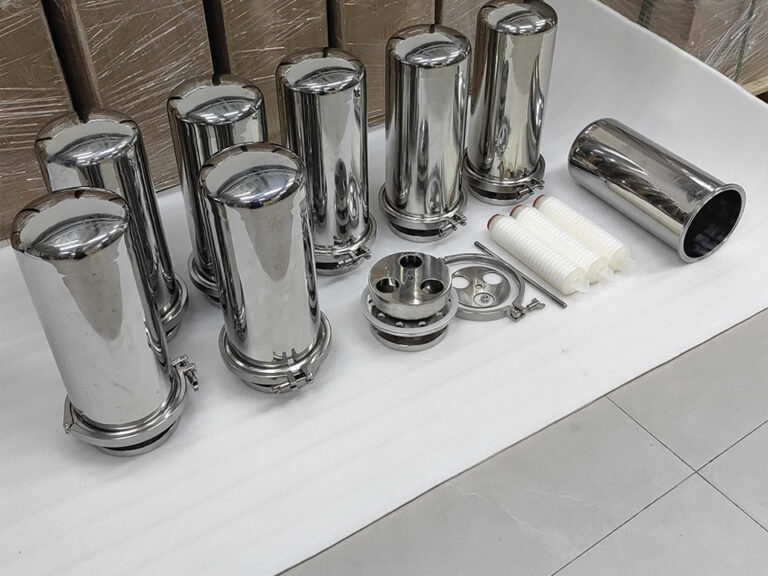
A Boîtier de filtre à cartouche unique en SUS304 ou SUS316L Peut s'adapter aux skids pilotes, aux boucles d'échantillonnage, aux dérivations et aux petits systèmes d'osmose inverse. La configuration fournie prend en charge des cartouches de 10, 20, 30 et 40 pouces avec des raccords 222, 226 ou DOE, ainsi que plusieurs choix d'élastomères.
Pour une solution complète destinée à l'eau de mer, les clients doivent également tenir compte des éléments suivants :
Répartition de la corrosion et qualité de l'alliage
Traitement des soudures et passivation
Surface surface
Pression de calcul et pression d'essai
Style de fermeture
Emplacements des conduites d'aération et d'évacuation
Méthode de fixation d'une plaque tubulaire
Débit de la buse
Structure d'assistance intérieure
Respect des normes applicables aux récipients sous pression
Un extérieur soigné fait bonne impression. Cela ne dit pratiquement rien sur la fiabilité de l'intérieur.
Comment réduire précisément l'indice SDI dans l'eau d'alimentation d'un système d'osmose inverse
Commencez par identifier les endroits où l'indice SDI augmente, et pas seulement ceux où il est finalement mesuré.
Prélevez des échantillons intégrés après la consommation, la phase d'explication, le prétraitement par média ou couche membranaire, le système de cartouches et immédiatement avant la pompe haute pression de l'osmose inverse (RO). Mesurez la turbidité, les indices SDI5, SDI10 ou SDI15, les particules en suspension, la pression différentielle, le débit, la température et le dosage de coagulant.
Ensuite, suivez la démonstration.
1. Valider l'examen SDI
Vérifiez le dispositif de régulation de la pression, les membranes d'analyse de 0,45 micron, l'uniformité du lot de membranes, la température de l'eau, la présence d'air emprisonné et la durée du traitement. Une analyse non fiable peut entraîner des décisions d'exploitation erronées.
2. Vérifier s'il y a un contournement
Vérifiez la taille de la cartouche, le type d'adaptateur, l'état du joint torique, la compression du ressort et l'intégrité de la plaque tubulaire. Recherchez les cartouches qui semblent exceptionnellement propres après leur retrait ; il se peut qu'elles n'aient pas été soumises à un débit.
3. Déterminer le débit réel par cartouche
Ne tenez pas compte du débit nominal indiqué sur la plaque signalétique. Utilisez le débit de pointe mesuré au niveau de chaque boîtier en service et divisez-le par le nombre de cartouches actives.
4. Examen de la coagulation en amont
Un excès de coagulant, un mauvais contrôle du pH ou une formation insuffisante de flocs peuvent générer des particules fines qui saturent l'étage à cartouche. Les polymères cationiques qui passent en aval peuvent également interagir avec d'autres produits chimiques utilisés dans le traitement et contribuer à l'encrassement de la couche membranaire. DuPont souligne que les polymères issus du prétraitement doivent être intégrés directement dans des agglomérats détachables plutôt que de passer en aval et constituer une source supplémentaire d'encrassement.
5. Résultats des tests concernant les scores en microns
Comparez l'hébergement de 10 à 5 microns, une cartouche unique d'une profondeur de 5 microns et des cartouches grand format de plus grande capacité, dans les mêmes conditions de débit et d'alimentation.
6. Mettre en place des restrictions en matière de remplacement
Comparez entre eux la pression différentielle, l'indice SDI du filtrat et le nombre d'heures de fonctionnement. Une cartouche ne doit pas rester en service simplement parce que la pression différentielle limite n'a pas encore été atteinte.
7. Stabiliser les informations
La température, le débit de production et les problèmes liés à l'eau d'alimentation varient. La tendance montre une stabilisation de la circulation dans le système d'osmose inverse (RO), du passage du sel et de la baisse de la contrainte, parallèlement aux données relatives aux filtres à cartouche.
Les types d'échecs courants et ce qu'ils signifient réellement
Signe
Description probable
Mesure corrective
Poussée de pression différentielle rapide dans la cartouche
Pénétration des solides en amont ou surface réduite
Vérifier la coagulation, les filtres sur support et le débit par cartouche
SDI élevé avec une pression différentielle réduite au niveau du logement
Dérivation, joints défectueux ou fluide trop grossier
Vérifier la plaque à tubes, les adaptateurs, les joints toriques et le système de retenue
Un système immobilier bien plus rapide que les systèmes parallèles
Harmonisation en cas de mauvaise circulation sanguine
Réajuster les vannes d'arrêt et vérifier les pertes de charge dans les dérivations
Les cartouches ne semblent sales qu'à une seule extrémité
Circulation irrégulière à l'entrée
Vérifier la géométrie du diffuseur et du boîtier intérieur
Le SDI apporte une amélioration, mais l'encrassement biologique des osmoseurs inverses persiste
Les matières organiques dissoutes ou les produits biologiques prédominent
Rapport d'essai : biostabilité, nutriments, COT et méthode de désinfection
La durée de vie des cartouches diminue lors des proliférations d'algues
Le prétraitement ne permet pas de gérer la charge organique
Optimiser le DAF, la coagulation, l'UF/MF ou le coût de fabrication à court terme
La diminution du stress osmotique augmente après le remplacement de la cartouche
Libération de fibres, contamination du système ou interruption des versements initiaux
Traitements de rinçage du boîtier et de contrôle de la propreté des cartouches
La dure réalité est que la diminution de l'indice SDI ne reflète pas le contrôle global de l'encrassement. Elle montre simplement que la membrane standard de 0,45 micron s'est obstruée beaucoup plus lentement dans les conditions d'essai.
Utile ? Oui.
C'est terminé ? Non.
Foire aux questions
Quelle est la valeur acceptable de l'indice SDI pour les membranes d'osmose inverse ?
Un indice de densité des sédiments (SDI) acceptable pour la plupart des eaux d'alimentation des systèmes d'osmose inverse est généralement inférieur à SDI 15 5, tandis que les usines de dessalement d’eau de mer, qui visent à garantir des performances stables de la couche membranaire, visent généralement une valeur inférieure à 3 et peuvent être conçues pour une valeur inférieure à 2,5 lorsqu’elles fonctionnent à un taux de perméat plus élevé, traitent de l’eau provenant d’une prise d’eau à ciel ouvert ou sont confrontées à des charges particulaires et biologiques variables.
La valeur cible appropriée dépend des besoins du fournisseur de membranes, du type d'alimentation, de la technique de prétraitement, des changements de configuration et de la régénération. Je considérerais le SDI 5 comme une limite maximale, et non comme un objectif opérationnel.
Comment un boîtier de filtre permet-il de réduire l'indice SDI ?
Un boîtier de filtre à cartouche réduit l'indice SDI de l'eau ayant subi un prétraitement intensif grâce à un média filtrant perméable qui retient les solides en suspension, les grosses particules et certains produits colloïdaux avant qu'ils n'atteignent le système d'osmose inverse, à condition que chaque cartouche soit correctement scellée, que le débit soit réparti de manière homogène et que le média choisi fonctionne en dessous de sa limite de charge hydraulique.
Un système immobilier présentant des fuites de dérivation ou une circulation irrégulière peut afficher une faible augmentation des contraintes tout en permettant au SDI de rester élevé.
Une cartouche de 5 microns est-elle toujours la meilleure solution pour le prétraitement dans le cadre du dessalement ?
Une cartouche de 5 microns est un choix courant pour le filtre de protection d'un système d'osmose inverse (RO) ; toutefois, elle ne constitue pas la solution optimale dans tous les cas, car ses performances dépendent de la nature de la finesse de filtration (nominale ou réelle), de la distribution granulométrique des particules, de l'épaisseur de la cartouche, de l'efficacité de purification, de la teneur en solides de l'eau d'alimentation, du débit par composant et du niveau d'élimination déjà atteint par le prétraitement en amont.
Les essais pilotes permettent généralement d'obtenir de bien meilleurs résultats que le choix des cartouches sur la seule base de leur indice de microns.
Les boîtiers de filtres à eau de mer doivent-ils être fabriqués en acier inoxydable 316L ?
Un boîtier de filtre en acier inoxydable 316L est généralement beaucoup plus résistant à la corrosion liée au chlorure que l'acier inoxydable 304 ; toutefois, son adéquation dépend toujours de la concentration en chlorure, de la température, de la présence d'oxygène, de la stagnation, de la qualité des soudures, du traitement de surface, des perforations et des produits chimiques de nettoyage. La qualité de l'alliage ne suffit donc pas à elle seule à garantir une solution fiable pour l'eau de mer.
L'eau de mer brute, l'eau de mer filtrée et l'eau d'alimentation pour osmose inverse déchlorée peuvent chacune nécessiter des évaluations spécifiques du produit.
Quand faut-il remplacer les cartouches filtrantes de dessalement ?
Les cartouches filtrantes de dessalement doivent être remplacées lorsque la pression différentielle atteint la limite de remplacement vérifiée, que l'indice SDI en aval commence à se détériorer, que le débit ne peut plus être maintenu de manière rentable, que les heures de service prévues sont écoulées ou qu'une inspection révèle un court-circuit, une déformation ou une charge biologique, plutôt que de se baser uniquement sur un intervalle calendaire prédéfini.
Identifiez l'évolution de la contrainte initiale et finale pour chaque lot. Les variations brusques révèlent généralement un dysfonctionnement du processus en amont ou une fabrication irrégulière des cartouches.
Les filtres à cartouche permettent-ils de réduire l'encrassement biologique ?
Les filtres à cartouche permettent d'éliminer la biomasse associée aux particules et les débris organiques de grande taille, mais ils ne parviennent pas à éliminer de manière fiable les nutriments dissous, le carbone organique assimilable, les bactéries ou les polymères extracellulaires, ce qui signifie qu'une baisse de l'indice SDI en aval peut coexister avec un flux d'eau d'alimentation présentant toujours un risque considérable d'encrassement organique.
La lutte biologique doit s'accompagner d'un suivi de la consommation, d'un prétraitement, d'une lutte chimique, d'une surveillance et d'un entretien sanitaire des locaux.
Concevez les projets immobiliers en fonction de l'eau, et non en fonction de la brochure
La réduction du SDI n'est pas un concours visant à monter la meilleure cartouche possible.
Il s'agit d'un problème systémique lié à la chimie du prétraitement, à la charge en particules, à la répartition hydraulique, aux performances des cartouches, à l'intégrité des boîtiers, au respect des procédures de remplacement et au débit de fonctionnement de l'osmose inverse. L'étude doit s'appuyer sur des données réelles concernant l'eau et les extrêmes saisonniers, et non sur un simple résultat type de turbidité fourni lors de l'appel d'offres.
Veuillez transmettre à Lvyuan le débit de l'installation, la matrice SDI actuelle, la valeur SDI cible, l'évaluation de l'eau salée, la série de prétraitements existante, les dimensions des cartouches et la pression différentielle de service, afin d'obtenir une configuration de cartouches et de boîtiers de filtration dimensionnée en fonction des besoins réels – et non une simple liste d'équipements génériques.