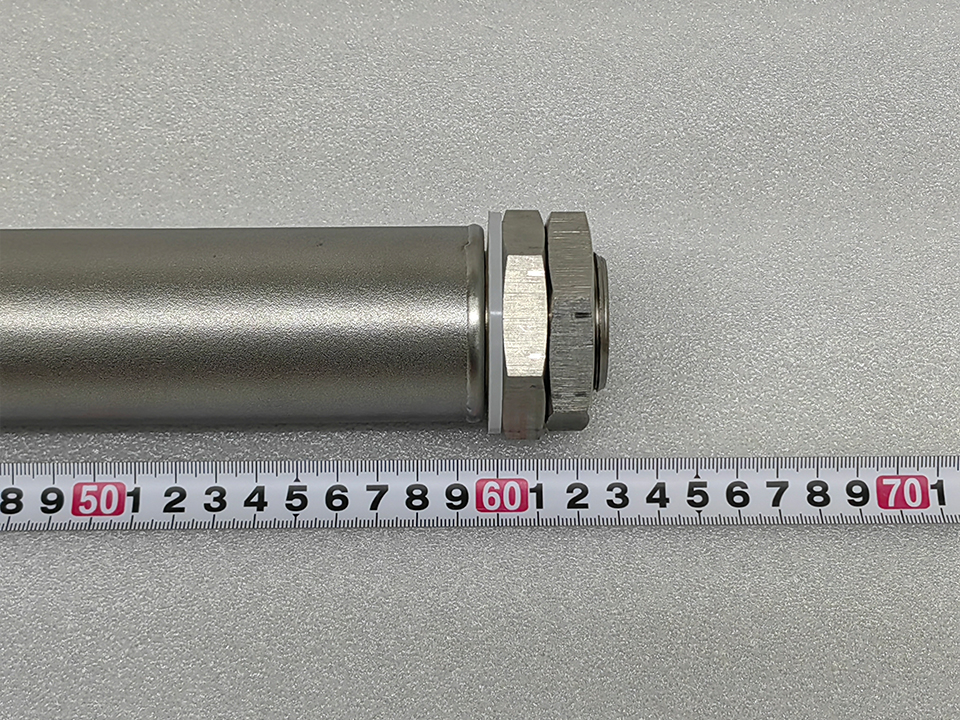
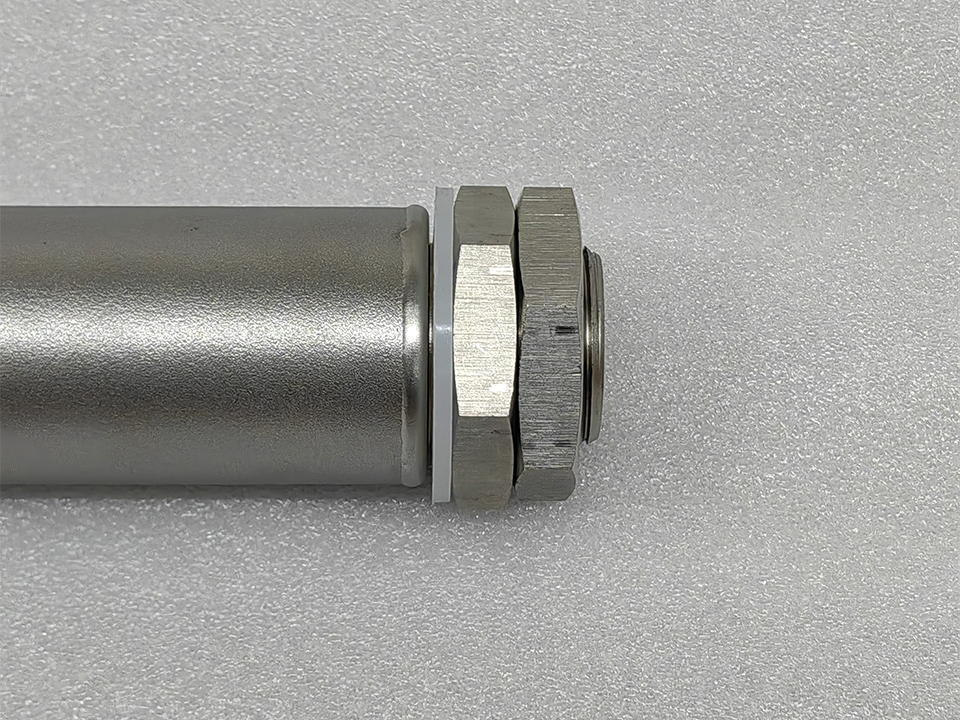
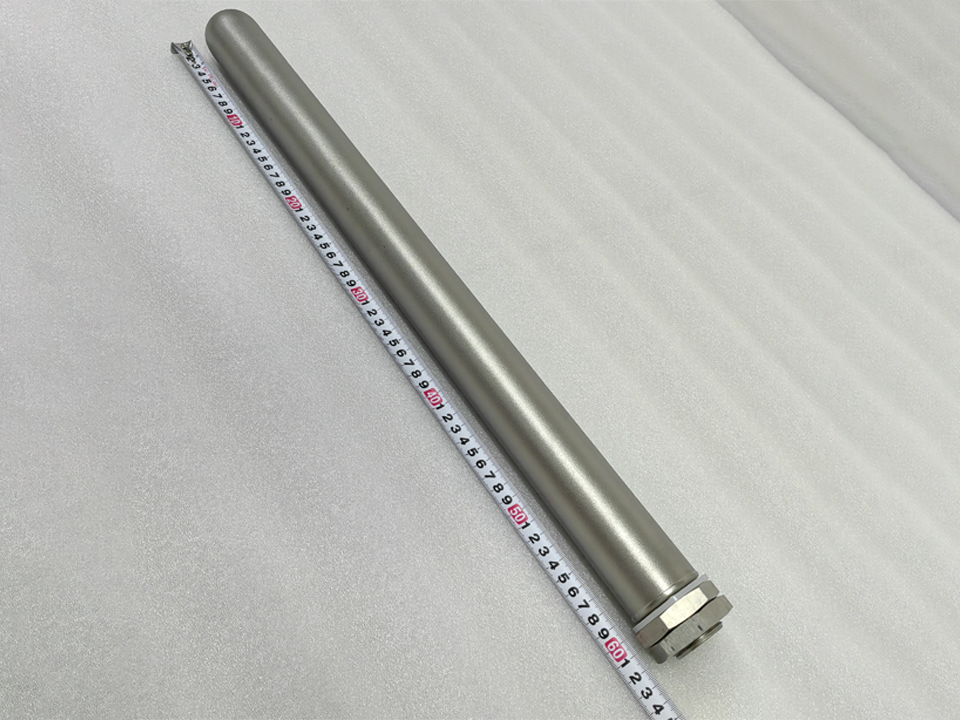
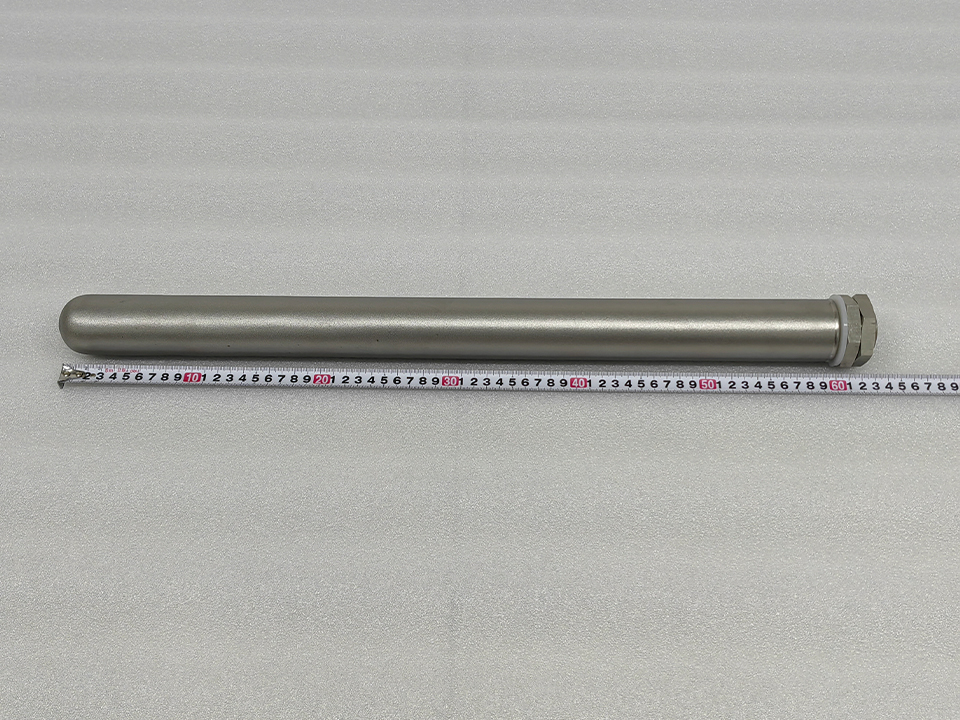
Guangzhou Lvyuan Water Purification Equipment Co. est un fabricant de filtres industriels fondé en 2009 qui conçoit et fabrique des boîtiers de filtre en acier inoxydable, des réservoirs d'eau stérile en acier inoxydable, des éléments filtrants, des sacs filtrants, des matériaux ultra-polymères et des produits filtrants frittés. Les acheteurs choisissent Lvyuan pour son support OEM/ODM, son contrôle qualité ISO9001 et ses certifications multi-pays.
Guangzhou Lvyuan Water Purification Equipment Co. Ltd.
Sélection de cartouches filtrantes en titane pour les applications corrosives
Une cartouche filtrante en titane n'est pas une “cartouche inoxydable coûteuse”. Cette comparaison imprudente a brûlé beaucoup d'équipes d'acheteurs.
3 mots : l'alchimie prime.
Lorsque je vérifie une spécification de filtrage sévère, je ne commence pas par le taux de microns, la taille, le prix du débit ou la mention “résistant à l'acide” sur la fiche de vente ; je commence par les choses horribles que personne ne souhaite mettre dans l'appel d'offres : la concentration de chlorure, les oxydants totalement libres, les pics de température, la chimie de nettoyage, le profil des solides en suspension, les habitudes de pression différentielle et la question de savoir si le conducteur se conformera vraiment à la procédure de lavage à contre-courant à 2 heures du matin.
Table des matières
Pourquoi le titane est-il spécifié alors que l'acier inoxydable commence à exister ?
Le titane trouve sa place parce qu'il crée une couche stable de dioxyde de titane, TiO ₂, qui peut protéger le métal dans plusieurs services oxydants et chlorés. Ce film d'oxyde est mince, persistant et auto-réparateur dans des conditions chimiques idéales.
Pourtant, elle a des ennemis.
L'acide fluorhydrique, les ions de fluorure, les acides chauds descendants, les systèmes de chlorure non nettoyés avec un pH bas, et les problèmes particuliers d'espace peuvent transformer le titane de “à l'épreuve des balles” en “ferraille coûteuse”. Je suis franc à ce sujet parce que beaucoup trop de vendeurs offrent des améliorations d'éléments de filtre en titane comme une couverture d'assurance. Ce n'est pas le cas. Ce sont des outils à risque contrôlé.
Une cartouche filtrante en titane est judicieuse lorsque le flux de traitement est trop hostile pour l'acier inoxydable 304/316L, trop chaud ou trop chargé en solvants pour le polypropylène, et trop précieux pour que l'on puisse parier sur une chute, un gonflement ou une décomposition des médias souples. Il s'agit de la récupération des eaux de rinçage de la galvanoplastie, du polissage de l'eau salée, de la guérison des stimulants, du filtrage des solvants pharmaceutiques, de l'explication des produits chimiques hostiles, du prétraitement de l'eau salée et de l'achèvement de l'acier spécialisé.
Les faits concernant les allégations relatives aux “cartouches filtrantes antirouille”.
“L'expression ”à l'abri de la détérioration" est une expression publicitaire jusqu'à ce que quelqu'un vous donne des informations sur la compatibilité chimique.
Je veux de vrais chiffres d'exploitation : Concentration de HCl, H TWO SO ₄ pour cent, charge de NaCl, pH, teneur en oxydant, température, taux, produit chimique de nettoyage, temps d'exposition directe et si la fermeture laisse un liquide stationnaire à l'intérieur de la cartouche. Sans cela, l'expression “meilleure cartouche filtrante pour service corrosif” n'est qu'un simple son accompagné d'une brochure de vente raffinée.
En effet, le titane l'emporte généralement sur l'acier inoxydable dans l'eau de mer, le chlore humide, de nombreux acides oxydants et les atmosphères chlorées. Cependant, ce succès est conditionnel. Le titane de qualité 2 est différent du titane de qualité 5. La poudre de titane frittée agit différemment du tube de titane perforé. Une cartouche filtrante perméable en titane a une géométrie de pore intérieure, et pas seulement une exposition de surface, donc la chimie piégée est importante.
C'est là que les échecs se dissimulent.
L'option de la cartouche filtrante en titane commence avec le liquide, pas avec le répertoire
La toute première erreur consiste à choisir 5 microns, 10 microns ou 20 microns avant de spécifier ce que la cartouche doit quitter.
Une cartouche filtrante en titane fritté est normalement choisie pour un filtrage rigide, nettoyable et recyclable. Ce n'est pas la méthode la moins chère pour capturer la poussière. Si le flux est constitué d'eau sédimentaire ordinaire, le polypropylène l'emporte généralement en termes de coût. C'est pourquoi une cartouche filtrante traditionnelle en Cartouche filtrante en PP soufflé par fusion de 5 microns pour l'approvisionnement en eau peut être tout à fait pratique comme préfiltre non réutilisable avant un aspect métallique plus coûteux.
Pourtant, une solution destructrice modifie le calcul. Si le fluide endommage le PP, agresse les adhésifs, ramollit les embouts ou est suffisamment chaud pour déformer les supports polymères, la cartouche en titane cesse d'être coûteuse et commence à être peu onéreuse par rapport aux temps d'arrêt imprévus.
Une excellente fiche technique doit comprendre les éléments suivants :
Identifie si le titane est compatible ou à haut risque
Température
Exposition directe à la vapeur, normale, de pointe, de nettoyage
Les prix de la rouille et les défaillances des joints augmentent rapidement avec la chaleur.
Classement de Micron
0,2, 0,45, 1, 5, 10, 20, 50 µm
Contrôle la rétention, la chute de pression et la fréquence de nettoyage
Géométrie de la cartouche
10, 20, 30, 40 pouces ; DOE, SOE, 222, 226
Nécessité d'adapter le logement et le système d'étanchéité
Matériau du joint
EPDM, FKM/Viton, PTFE, silicone
La défaillance du joint se manifeste généralement avant la défaillance du support.
Méthode de nettoyage
Lavage à contre-courant, ultrasons, lavage acide, lavage alcalin, vapeur
Identifie si la cartouche est réellement à usage multiple
Stress différentiel
Clean ΔP, changeout ΔP, collapse restriction
Protège la structure des pores et l'honnêteté mécanique
Lots de solides
Taille des fragments, dureté, déformabilité, teneur en huile
Détermine si une préfiltration en profondeur est nécessaire
Cartouche filtrante en titane fritté : La structure des pores est plus importante que le nom du métal
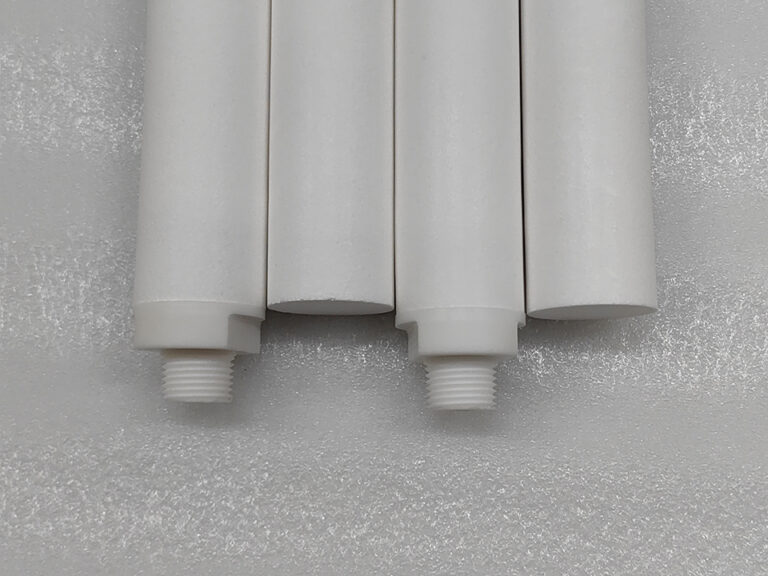
Le titane fritté est fabriqué en liant la poudre de titane dans un cadre rigide perméable. Le résultat est un filtre métallique avec un réseau de pores contrôlé. En théorie, cela permet d'obtenir une dimension stable des pores, une résistance aux températures élevées, une forte résistance mécanique et une facilité de nettoyage.
En technique, le réseau de pores est également l'endroit où l'encrassement finit par être individuel.
Les boues fines d'hydroxyde de fer, les gels de polymères, les biofilms, les particules fines de conducteur, la silice et les matières organiques collantes n'agissent pas de la même manière. Une particule cristalline dure de 5 µm n'a rien à voir avec une masse gélatineuse de 5 µm. L'un lave à contre-courant. L'autre fait des frottis.
Ainsi, lorsque quelqu'un demande “5 microns de titane”, je demande : absolu ou nominal ? Point de bulle de gaz testé ou simplement identifié ? Porosité monocouche ou nominale ? Flux extérieur-intérieur ou intérieur-extérieur ? Quel est le flux d'eau à 20°C ? Quel est le ΔP prévu à l'épaisseur réelle ?
Petits détails. Grosses factures.
Où la préfiltration PP a encore sa place dans un système en titane
Voici un point de vue controversé : plusieurs défaillances des cartouches en titane sont en fait des défaillances de la préfiltration.
Si la conduite est encombrée de sable, de corrosion, de tartre ou de solides en suspension, ne confiez pas à la cartouche de titane le soin de faire le ménage. Placez un média sacrificiel peu coûteux en amont. A cartouche de filtre à sédiments en PP de grande taille 5 microns peut minimiser la masse des solides avant l'étape du titane, tandis qu'un Filtre à eau commercial Big Blue PPF pourrait s'adapter à un prétraitement à plus basse température du côté de l'eau lorsque la chimie le permet.
Mais l'utilisation du PP est juste là où il perdure. Le polypropylène fonctionne, il n'enchante pas. De nombreuses cartouches soufflées par fusion en PP offrent une large compatibilité chimique, des longueurs personnalisables, des choix d'adaptateurs DOE/SOE ou de style 222/226, et des indices microniques typiques de 1 à 100 µm, mais les restrictions de niveau de température et de solvant peuvent les rendre inadaptées à une solution hostile.
C'est le partage du client : permettre au PP d'attraper la poussière lorsque la chimie est suffisamment légère ; permettre au titane de s'occuper de la chaleur, de nettoyer les abus et d'assumer de lourdes responsabilités lorsque l'on ne peut pas faire confiance aux supports polymères.
Qualité, sceau, immobilier : Les parties monotones qui décident de l'échec
Le support de la cartouche obtient la mise au point. Le joint tue la course.
J'ai vu des concepteurs suggérer pendant deux semaines la dimension des pores en titane, puis approuver le mauvais joint torique en dix secondes. Dans les solutions agressives, l'EPDM, le silicone, le NBR, le FKM/Viton, le PTFE et le PFA ne sont pas des conceptions interchangeables. Il s'agit de décisions relatives à la frontière chimique.
Si l'élément en titane est installé dans un boîtier en 316L, il faut se demander si l'immobilier est actuellement le point faible. Si le flux de traitement est riche en chlorure et chaud, la détérioration des crevasses en acier inoxydable peut apparaître autour des ports filetés, des joints de serrage, des bouchons d'aération ou des poches stationnaires avant que la cartouche en titane elle-même ne se plaigne.
La mise en place d'une solution dure doit être traitée comme un système :
Le score de Micron : Arrêter d'acheter le plus petit nombre
Le score en microns le plus faible n'est pas instantanément meilleur.
Une cartouche filtrante en titane de 0,45 µm peut sembler pratiquement exceptionnelle jusqu'à ce qu'elle devienne aveugle en 36 heures, qu'elle fasse passer le ΔP par le système de couverture et qu'elle oblige les opérateurs à contourner le patin. Le filtre “bien meilleur” finit alors par devenir une responsabilité avec un chemin de commande.
Pour le service destructeur, j'aime la pensée organisée :
Tâche
Réseau de départ typique
Une enquête bien meilleure
Sécurité renforcée
25- 100 µm
Protégeons-nous les pompes, les buses de pulvérisation ou les membranes en aval ?
Explication générale
5- 20 µm
Quelle taille de particule déclenche le véritable problème du processus ?
Très bon polissage
1- 5 µm
La cartouche peut-elle être nettoyée sans raccorder les pores ?
Obligation de type stérile ou ultrafin
0,2- 0,45 µm
Le titane est-il le média approprié ou faut-il recourir à la filtration membranaire ?
N'achetez pas le plus petit nombre. Acquérir le degré de rétention qui protège la procédure sans transformer le filtre en un équipement de chute de pression.
Cartouche filtrante en titane poreux par rapport au PP, à l'inox, au PTFE et à l'Hastelloy
L'industrie se présente sous la forme de tableaux comparatifs sympas. La réalité est plus confuse.
Néanmoins, une table d'options permet de forcer la discussion.
Média Kind
Solidité
Point faible
Idéal pour l'emploi
Cartouche filtrante en titane fritté
Grande résistance, usage multiple, insensible à la corrosion dans de nombreux services d'oxydation/de chlorure
Pas sûr pour tous les acides, risque de fluorure, coût élevé à l'avance
Purification des liquides/gaz corrosifs avec cycles de nettoyage
Cartouche en acier inoxydable 316L
Solide, typique, facile à utiliser
Piqûres de chlorure et détérioration des trous
Service chimique modéré, purification commerciale de base
Cartouche en PP soufflé par fusion
Emballage peu coûteux, jetable et très salissant
Restrictions chaleureuses et solvables, non rigides
Prétraitement de l'eau et élimination des débris
Cartouche à membrane PTFE
Forte résistance aux produits chimiques, excellente filtration
Diminution plus importante de la pression, niveau de sensibilité mécanique
Produits chimiques hostiles nécessitant une grande rétention
Cartouche en Hastelloy
Excellent pour la responsabilité chimique extrême
Frais très élevés, préparation plus longue
Applications extrêmes d'acides et de chlorures où le titane présente un risque élevé
A Cartouche de filtration d'eau filée en PP de 30 ou 40 pouces avec noyau s'adapte à une tâche différente : le filtrage des débris à haut volume dans les systèmes d'eau compatibles. Elle ne doit pas être confondue avec la solution de titane simplement parce que les deux produits sont des “cartouches filtrantes”.”
Liste de contrôle pour l'acquisition que je placerais certainement dans l'appel d'offres
Envoyez ce document avant de demander un devis.
Sérieusement.
Demandez au vendeur de vérifier la qualité du titane, la méthode d'examen du classement des pores, la taille de la cartouche, le diamètre extérieur et intérieur, la disposition des bouchons, le produit d'étanchéité, le niveau optimal de température de fonctionnement, la pression différentielle optimale, la technique de nettoyage, la compatibilité avec les produits chimiques appelés et si la cartouche est sans soudure, collée ou construite mécaniquement.
Un véritable appel d'offres pour le choix d'une cartouche filtrante en titane doit inclure :
Poste de l'appel d'offres
Détail minimal de la demande
Qualité de titane
Qualité 2, grade 7 ou alliage spécifié
Score de porosité
Absolu/nominal, point de bulle, fuites dans les données de structure
Mesures
10/20/30/ 40 pouces, OD, ID, densité de la surface de la paroi
Raccordement final
DOE, SOE, 222, 226, fileté, bride
Sceller le produit
EPDM, FKM/Viton, PTFE, silicone
Chimie des procédés
Liste complète des produits chimiques avec leur concentration
Niveau de température
Normal, optimal, nettoyage, arrêt
Pression
Contrainte de fonctionnement, max ΔP, indice d'effondrement
Nettoyage
Circulation à contre-courant, ultrasons, acide, caustique, vapeur lourde
Documents
Certificat de matériaux, traçabilité, rapport d'examen
Si le fournisseur se contente de répondre “oui, résistant à l'acide”, continuez.
Paramètres d'échec que personne ne met sur la page d'accueil
Les cartouches filtrantes en titane ne sont généralement pas à la hauteur des méthodes peu glorieuses.
Ils se bouchent. Ils fuient au niveau du joint. Ils établissent une dérivation parce que l'adaptateur est mal ajusté. Ils sont nettoyés avec le mauvais produit chimique. Ils restent immobiles à cause d'un concentré bloqué. Ils sont martelés par des impulsions de pression. Ils sont installés en aval d'un conteneur sale qui aurait dû être nettoyé six mois plus tôt.
La cartouche est condamnée dès son apparition.
Cependant, l'origine est généralement liée à la discipline du système : prétraitement inadéquat, matériau de boîtier incorrect, absence de systèmes d'alarme ΔP, cycles de nettoyage non documentés, ou un acheteur qui a traité un filtre de service corrosif comme une UGS de base.
FAQ
Qu'est-ce qu'une cartouche filtrante en titane ?
Une cartouche filtrante en titane est un composant de purification rigide et réutilisable fabriqué à partir de titane poreux ou fritté, choisi pour des applications où la résistance à la corrosion, la résistance à la chaleur, la ténacité mécanique et la nettoyabilité sont plus importantes qu'un faible coût initial. Elle est fréquemment utilisée dans les systèmes de filtration de produits chimiques agressifs, d'eau de mer, de produits pharmaceutiques, de placage et de fluides ou de gaz à haute température.
En termes simples, il s'agit d'un filtre métallique développé pour la punition. Cependant, il a toujours besoin de la meilleure chimie, du meilleur produit d'étanchéité, du meilleur boîtier, de la meilleure classification des pores et de la meilleure technique de nettoyage. Le titane est solide ; les mauvaises spécifications le sont encore plus.
Comment choisir la cartouche filtrante la plus efficace pour une solution corrosive ?
La meilleure cartouche filtrante pour une solution destructive est choisie en adaptant le média filtrant, les joints, le boîtier, le taux de microns et le traitement de nettoyage à la composition chimique précise, au niveau de température, à la contrainte, aux lots de solides et au cycle de fonctionnement. La compatibilité du produit passe avant le taux de circulation, la taille de la cartouche ou le taux.
Commencez par la chimie. Vérifiez ensuite la qualité du titane, le produit des joints, l'alliage du boîtier, le ΔP anticipé et si l'encrassement peut être éliminé par un lavage à contre-courant ou un nettoyage chimique. Si le fournisseur ne peut pas parler de HCl, H ₂ SO ₄, NaCl, HF, des oxydants et de la température avec des détails précis, ne vous fiez pas au devis.
Une cartouche filtrante en titane fritté est-elle meilleure qu'une cartouche en acier inoxydable ?
Une cartouche filtrante en titane fritté est meilleure que l'acier inoxydable lorsque le fluide de la procédure provoque une correspondance des chlorures, une corrosion par crevasses ou une agression chimique sur l'acier inoxydable 304 ou 316L, tout en restant compatible avec la couche d'oxyde passive du titane. Elle n'est pas automatiquement meilleure dans chaque acide, solvant ou environnement décroissant.
Le titane est utilisé lorsque l'acier inoxydable est impuissant et que les polymères ne peuvent pas passer. Utiliser l'acier inoxydable lorsque la chimie est douce et que le contrôle des prix est important. Utilisez le PTFE, le PVDF, l'Hastelloy ou les alliages spéciaux lorsque la compatibilité avec le titane est douteuse.
Les cartouches filtrantes en titane peuvent-elles être nettoyées et recyclées ?
Les cartouches filtrantes en titane peuvent souvent être nettoyées et réutilisées car leur structure en métal fritté supporte beaucoup mieux les lavages à contre-courant, les nettoyages par ultrasons et les procédures de nettoyage chimique que de nombreuses cartouches en polymère non réutilisables. La réutilisation dépend du contaminant piégé, de la dimension des pores, de la chimie de nettoyage, de la température et du fait que la cartouche a été surpressée ou attaquée chimiquement.
L'expression “nettoyable” est inadéquate. Demandez l'approche de nettoyage autorisée, les limites des produits chimiques de nettoyage, le pourcentage de récupération prévu et la pression différentielle maximale. Si un gel organique encrassé pénètre dans les pores fins, le nettoyage peut permettre de récupérer beaucoup moins de circulation que ne le recommande l'argumentaire de vente.
Quel indice de micron dois-je choisir pour une cartouche filtrante perméable en titane ?
Le taux de micron idéal pour une cartouche filtrante en titane perméable est le taux de pore le plus élevé qui élimine de manière fiable l'impureté dangereuse tout en maintenant un débit régulier, une pression différentielle appropriée et des périodes de nettoyage fonctionnelles. Des indices microniques plus petits augmentent la rétention, mais ils augmentent également le risque de connexion, la régularité du nettoyage et le prix de fonctionnement.
Pour de nombreuses solutions destructives commerciales, 5 à 20 µm est une fourchette initiale utile. Un bon polissage peut nécessiter 1 à 5 µm. Le travail ultra-fin à 0,2-0,45 µm nécessite une reconnaissance plus stricte car la diminution des contraintes et les actions d'encrassement sont moins tolérantes.
Dernier appel téléphonique de l'acheteur
N'achetez pas une cartouche filtrante en titane parce que le catalogue indique “résistant à la corrosion”. Achetez-la parce que la chimie de la procédure, le niveau de température, la quantité de solides, le plan de nettoyage, le produit de logement et l'ensemble des joints indiquent tous que le titane est l'alternative la moins dangereuse.
Nous pouvons vous aider à évaluer la composition chimique de votre liquide, l'indice de porosité visé, l'agencement du boîtier et la stratégie de préfiltration avant que vous ne verrouilliez la spécification. Envoyez la liste des produits chimiques, la plage de température, le taux de micron cible, la taille de la cartouche, le prix du débit et des photos ou illustrations du boîtier existant, puis demandez une suggestion de cartouche filtrante en titane conçue pour le service réel, et non pour la variante de la brochure.