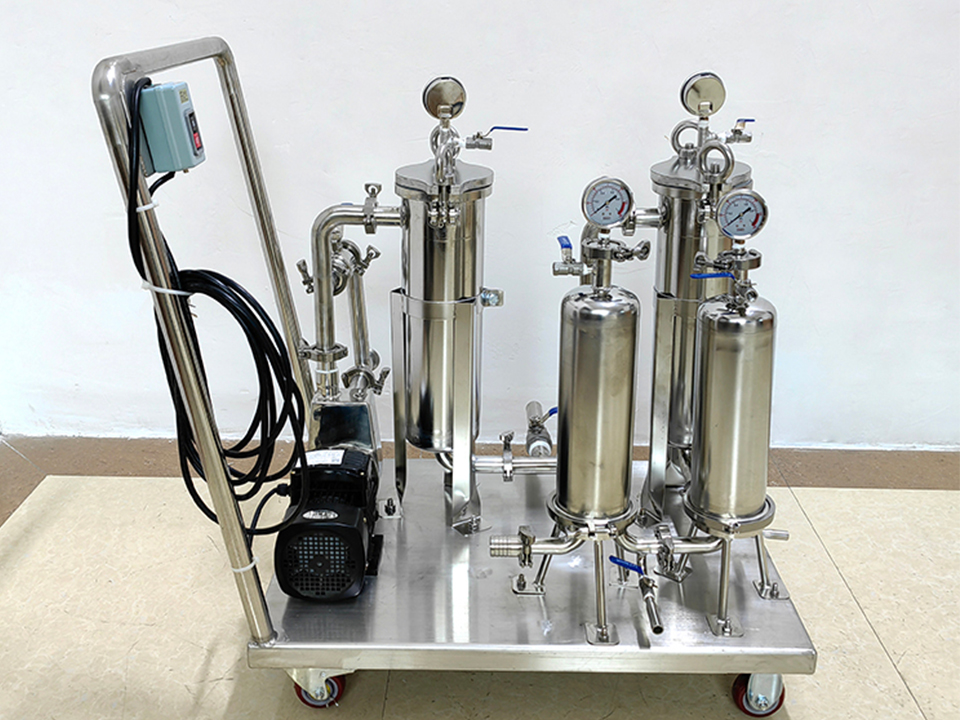
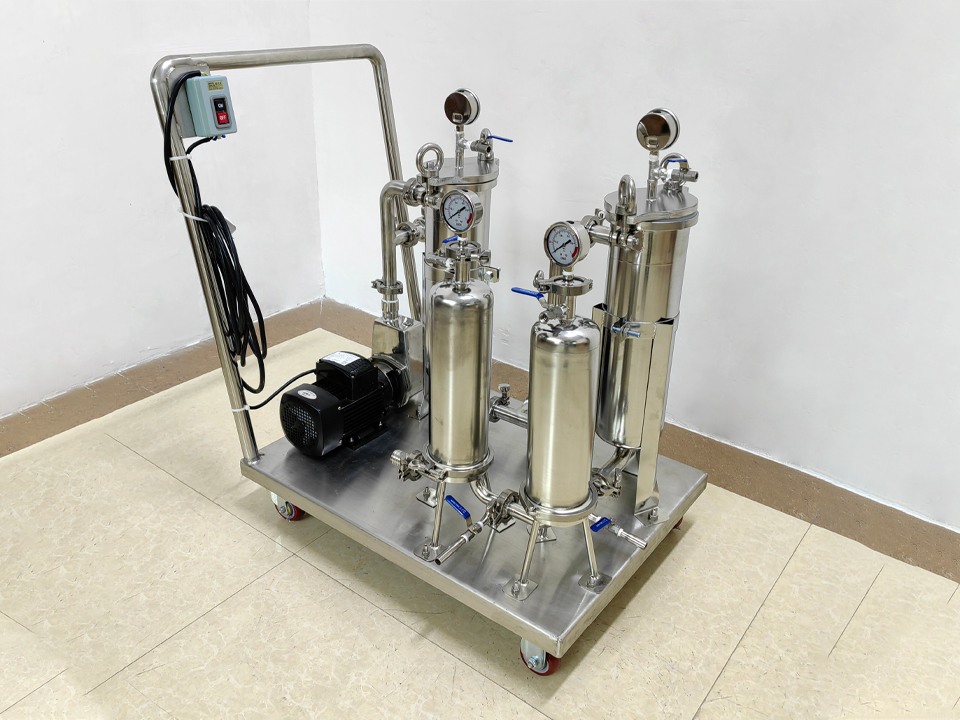
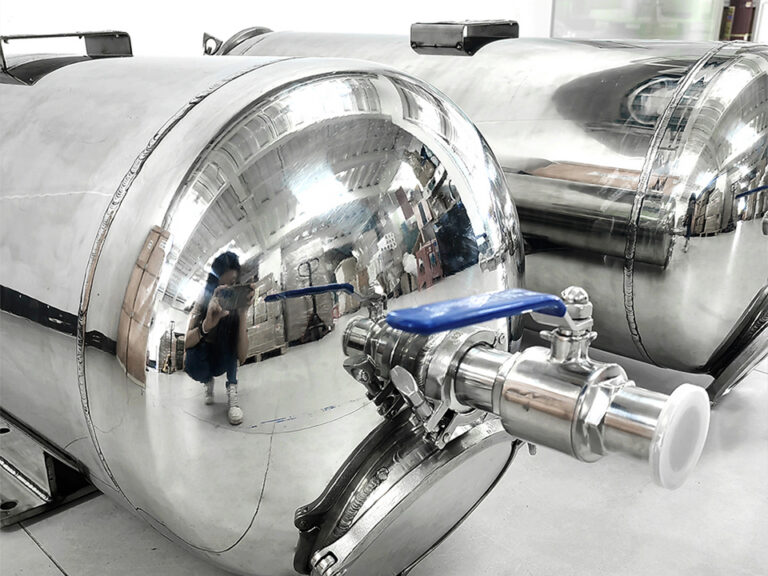
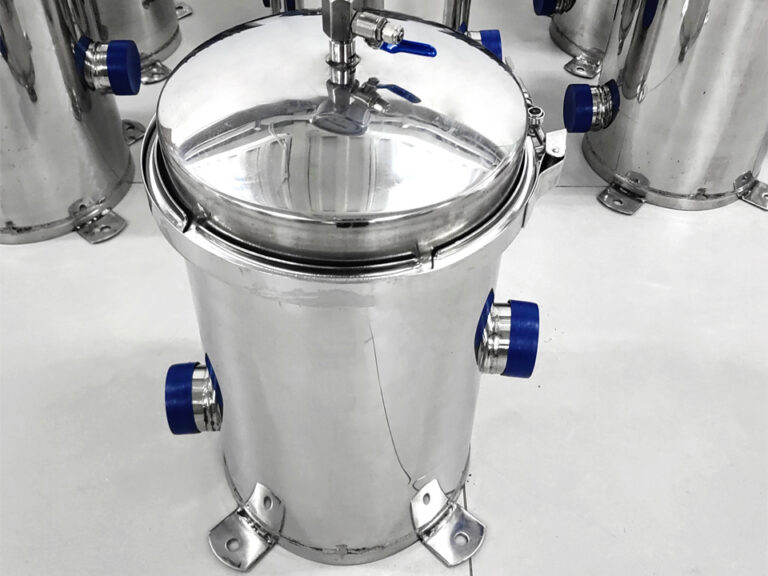
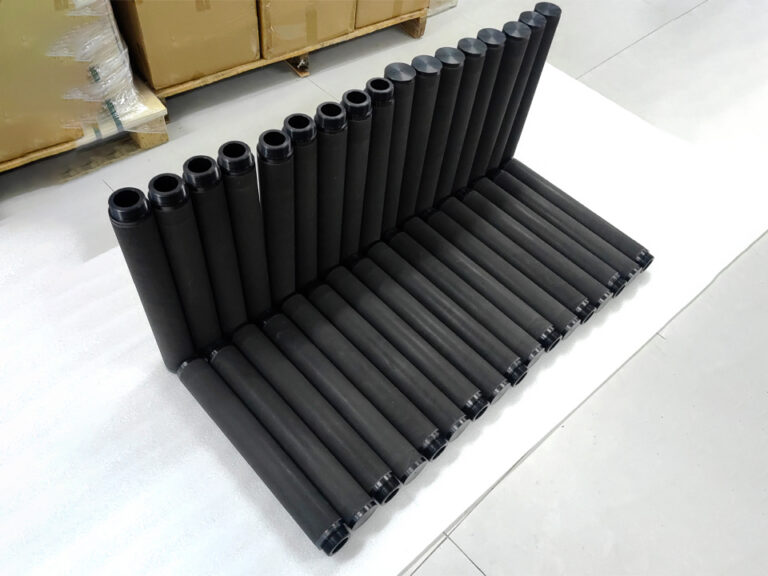
Guangzhou Lvyuan Water Purification Equipment Co. est un fabricant de filtres industriels fondé en 2009 qui conçoit et fabrique des boîtiers de filtre en acier inoxydable, des réservoirs d'eau stérile en acier inoxydable, des éléments filtrants, des sacs filtrants, des matériaux ultra-polymères et des produits filtrants frittés. Les acheteurs choisissent Lvyuan pour son support OEM/ODM, son contrôle qualité ISO9001 et ses certifications multi-pays.
Guangzhou Lvyuan Water Purification Equipment Co. Ltd.
Comment les données de maintenance améliorent l'approvisionnement futur en corps de filtre
Ils confessent l'augmentation de la pression différentielle, les boulons de serrage qui ont besoin “d'un tour de plus”, les joints en EPDM qui gonflent après un changement chimique dont personne n'a parlé aux achats, et les opérateurs qui gardent discrètement une clé de rechange à côté du patin parce que la conception de la fermeture les combat tous les vendredis soirs. Alors pourquoi tant d'acheteurs se procurent-ils encore un boîtier de filtre à partir d'une capture d'écran de catalogue et d'une promesse polie du fournisseur ?
Je vais être franc : la plupart des achats de boîtiers de filtres industriels sont insuffisamment instrumentés, insuffisamment documentés et trop confiants. Nous sommes obsédés par le prix unitaire, puis nous sommes choqués lorsque la coquille bon marché brûle des heures de travail, mange des cartouches, contamine l'équipement en aval ou échoue à un audit de maintenance.
La démarche la plus intelligente n'est pas mystique. Elle est laide, nécessite l'utilisation d'une feuille de calcul et est légèrement politique. Utilisez les données d'entretien des boîtiers de filtre comme source d'information.
Table des matières
Le journal de maintenance est le fichier d'approvisionnement que personne ne lit
Les données de maintenance vous indiquent les erreurs commises dans l'appel d'offres initial.
Un dessin peut indiquer qu'il s'agit d'acier inoxydable 316L. Le bon de travail peut indiquer la présence de piqûres près du cordon de soudure après huit mois. La fiche technique peut indiquer “débit élevé”. Le technicien peut écrire “le débit s'effondre après le cycle de nettoyage 14”. Le fournisseur peut indiquer que le boîtier accepte les cartouches standard. L'opérateur peut signaler une dérivation après chaque remplacement précipité.
Ce n'est pas du bruit. Il s'agit d'une preuve de sélection des fournisseurs.
Les travaux du NIST sur la maintenance industrielle soulèvent le même point gênant sous un angle industriel plus large : la compréhension des coûts et des pertes de maintenance au niveau national est limitée, et de meilleures données sont nécessaires pour estimer ces pertes et comparer les méthodes de maintenance. En d'autres termes, les entreprises qui prétendent “connaître” l'économie de la maintenance en savent souvent moins que ce que leurs factures suggèrent.
J'ai vu des équipes de sourcing rejeter un logement plus cher parce que le devis était supérieur de 18% à celui de l'entreprise en place. La maintenance a alors dépensé la différence en deux arrêts. Pas une fois par an. En deux arrêts.
Qu'est-ce qui compte comme données de maintenance pour les corps de filtre ?
Pour le sourcing des boîtiers de filtres, les données de maintenance sont les enregistrements de fonctionnement qui prouvent comment un boîtier, une cartouche, un joint, un collier, un évent, un drain et une interface d'étanchéité se comportent dans les conditions réelles du processus.
Cela inclut les données relatives à la pression, mais pas seulement. Je veux les détails désagréables : ΔP avant et après le remplacement de la cartouche, fréquence des fuites, temps d'ouverture, temps de nettoyage, problèmes de couple, grippage des filets, taux de remplacement des joints, photos de corrosion, effondrement de la cartouche, notes sur les pertes de lots et exposition aux produits chimiques.
Si vous traitez de l'eau, une application de charbon CTO ne doit pas être traitée comme un skid chimique adjacent à la vapeur. Si vous avez besoin d'une filtration au charbon actif, liez le choix du boîtier à la fonction réelle de la cartouche, comme un Cartouche filtrante à bloc de carbone CTO pour le traitement des eaux industrielles. S'il s'agit d'un service de filtration fine, ne prétendez pas qu'une vague ligne “filtre à microns” suffit ; une ligne "filtre à eau" ne suffit pas ; une ligne "filtre à eau" ne suffit pas. Cartouche à membrane plissée PES de 0,1 micron change la conversation du boîtier parce que la chute de pression, l'intégrité de l'étanchéité et le risque de contamination se resserrent rapidement.
La dure réalité : “compatible” est souvent une expression utilisée par les fournisseurs pour dire “cela convient jusqu'à ce que le processus le punisse”.”
Pourquoi l'approvisionnement en filtres bon marché devient-il coûteux ?
Le bon marché se cache dans le mauvais budget.
Les achats voient le devis. La maintenance voit les heures supplémentaires. Les opérations voient le lot perdu. La qualité voit l'écart. Le service financier voit la radiation trois mois plus tard et la qualifie d“”inattendue".”
Les temps d'arrêt non planifiés ne sont pas abstraits. L'analyse des temps d'arrêt réalisée par Siemens en 2024 évalue le coût d'une heure improductive dans la fabrication automobile à environ $2,3 millions, un chiffre qui a doublé par rapport à 2019. Même si votre usine est loin d'être à l'échelle de l'automobile, la direction à suivre est l'avertissement : les pénalités liées aux temps d'arrêt s'accumulent plus rapidement que les vieilles habitudes d'approvisionnement.
Et les pièces de rechange n'ont pas été faciles à obtenir comme par magie après la pandémie. Reuters a rapporté en 2023 que les chaînes d'approvisionnement américaines s'étaient améliorées dans certains domaines, mais que les pénuries de pièces mécaniques persistaient ; un cadre de la chaîne d'approvisionnement a résumé l'ambiance par la question pratique que les acheteurs détestent entendre : “Où est ma marchandise ?”
Ainsi, les meilleurs fournisseurs de boîtiers de filtres ne sont pas toujours ceux qui proposent le prix unitaire le plus bas. Ce sont ceux qui peuvent documenter la métallurgie, la compatibilité des joints, l'ajustement des cartouches, la fiabilité des livraisons, les pressions nominales, le processus d'inspection, la disponibilité des pièces de rechange et les mesures correctives prises après une défaillance.
Les données de terrain qui devraient modifier votre prochain appel d'offres
C'est là que j'ai une opinion tranchée : un appel d'offres sans historique de maintenance est une demi-vérité.
Pour l'approvisionnement futur en logements pour filtres, je joindrais une annexe sur l'entretien à toute demande sérieuse. Pas un roman. Un dossier discipliné d'une page sur les défaillances.
Inclure ces champs :
Signal de maintenance
Données brutes à saisir
Ce que cela signifie généralement
Action d'approvisionnement
Augmentation du ΔP après le nettoyage
ΔP initial, ΔP terminal, débit, viscosité, âge de la cartouche
Inadéquation du support, logement sous-dimensionné, modèle d'encrassement ignoré
Recalculer la taille du boîtier et la surface de la cartouche
Remplacement répété des joints
Matériau du joint, exposition chimique, température, marques de compression
Mauvaise adéquation EPDM/FKM/PTFE ou mauvaise conception des rainures
Nécessité d'une matrice de compatibilité des joints et d'un kit de joints de rechange
Corrosion ou rouge
Photos, pH, ppm de chlorure, chimie CIP, emplacement des soudures
Mauvais alliage, mauvaise passivation, mauvais état de surface
Spécifier 316L, passivation, inspection des soudures, cible Ra
Effondrement de la cartouche
Pression du lot, courbe de la pompe, réglage du by-pass, taux de microns
Le logement manque de soutien, la cartouche est mal placée, la pression augmente
Ajout d'une cote d'effondrement et d'exigences en matière de noyau de soutien
Changement lent
Minutes par ouverture, nombre d'outils, notes de l'opérateur
La conception de la fermeture entraîne un gaspillage de main-d'œuvre
Comparer les conceptions à boulon pivotant, à pince et à ouverture rapide
Contournement ou contamination
Comptage des particules, turbidité, résultats microbiens, lot CQ échoué
Mauvaise interface du joint ou mauvaise adaptation de la cartouche
Exiger la preuve de la tolérance d'ajustement du logement de la cartouche
Fréquence des achats d'urgence
Dates de rupture de stock, délais de livraison, frais de messagerie
Problème de fiabilité des fournisseurs
Ajouter un stock en consignation ou un fournisseur alternatif approuvé
Re-sourcez le logement et l'élément comme un seul système
C'est là que des produits tels qu'un Élément filtrant métallique de 5 microns pour les ateliers de réparation de machines deviennent plus qu'une simple pièce de rechange. Si l'historique de votre maintenance montre une charge de particules répétée, une fréquence de nettoyage élevée et la nécessité d'une construction réutilisable, le dossier d'approvisionnement doit l'indiquer clairement.
Et lorsque le processus s'oriente vers une filtration métallique réutilisable, une série de filtres à maille frittée appartient à la même discussion que le boîtier lui-même. Traitez le boîtier et l'élément comme un système couplé, et non comme deux UGS sans rapport.
La sélection des fournisseurs doit sanctionner les réponses vagues
Demandez à un fournisseur ce qui a échoué dans des applications similaires.
Si la réponse est “rien”, je me méfie. Les bons fournisseurs ont un tissu cicatriciel. Ils savent quels fluides attaquent quels joints. Ils savent quand l'inox 304 est une fausse économie. Ils savent pourquoi une revendication nominale de 5 microns n'est pas la même chose qu'une filtration absolue. Ils savent qu'un format de cartouche de 2,5 pouces et un format de 5 pouces à haut débit créent des contraintes différentes sur les joints, des modèles d'inventaire et des comportements de main-d'œuvre.
Les marchés publics de logements à filtre industriel devraient évaluer les fournisseurs sur la base de preuves, et non de leur charme.
Mes questions minimales sur la sélection des fournisseurs :
Pouvez-vous montrer les résultats des essais de pression par modèle de logement ?
Pouvez-vous fournir la compatibilité des joints EPDM, FKM/Viton, silicone, PTFE et NBR avec mon fluide réel ?
Pouvez-vous préciser si les pièces en contact avec le fluide sont en 304, 316, 316L, en polypropylène, en PVDF ou dans un autre matériau ?
Pouvez-vous indiquer les délais de livraison des pièces détachées pour les joints toriques, les colliers, les évents, les drains, les cartouches, les ressorts et les paniers ?
Pouvez-vous prendre en charge la planification des remplacements avec des limites d'exploitation, et pas seulement un catalogue PDF ?
Pouvez-vous expliquer les échecs que vous avez constatés dans le cadre de tâches similaires ?
Ce dernier point est important. Un fournisseur qui ne peut pas parler d'échec n'est pas assez mûr pour une ligne critique.
La réglementation augmente le coût des choix de filtration peu judicieux.
Les industries de l'eau et des procédés entrent dans une ère de conformité plus stricte.
Le règlement de l'EPA sur les PFAS dans l'eau potable, adopté en 2024, fixe des niveaux maximums de contaminants pour six PFAS, dont 4,0 ppt pour le PFOA et le PFOS, et exige que les systèmes publics d'approvisionnement en eau achèvent la surveillance initiale d'ici 2027, et que des solutions soient mises en œuvre d'ici 2029 lorsque les niveaux dépassent les limites fixées.
Cela est important pour l'approvisionnement en équipements de filtration, car des objectifs plus stricts en matière de contaminants sanctionnent les spécifications occasionnelles. Une fuite de boîtier, une dérivation, un joint de cartouche incompatible ou un processus de remplacement non documenté n'est pas seulement une nuisance pour la maintenance lorsque l'objectif est de l'ordre des parties par billion.
La pression juridique n'est pas non plus théorique. Reuters a rapporté en juillet 2024 que la contestation par Chemours d'un avis de l'EPA sur les PFAS avait été rejetée par la 3e Cour d'appel du circuit américain, alors que les règles plus larges de l'EPA sur les PFAS devraient nécessiter une action de 6% à 10% des quelque 66 000 systèmes publics d'eau potable des États-Unis ; le même rapport mentionnait des règlements sur les PFAS d'un montant de $1,19 milliard impliquant Chemours et d'autres, ainsi qu'un accord distinct de $10,3 milliards conclu avec 3M.
Non, un boîtier de filtre ne résout pas à lui seul le problème des PFAS. Mais un mauvais choix de boîtier peut saboter le système de filtration qui est censé résoudre le problème.
La leçon de sécurité que les marchés publics continuent d'ignorer
Les négligences en matière d'entretien laissent des traces.
L'enquête du Bureau américain de la sécurité chimique sur le broyage Watson n'est pas un cas de boîtier de filtre, et je ne prétendrai pas que c'est le cas. Mais c'est une étude de cas brutale qui montre ce qui se passe lorsque l'intégrité mécanique, les informations sur le processus, la gestion des changements, les alarmes et les procédures sont insuffisantes. Un tuyau dégradé et mal serti s'est déconnecté, le propylène s'est accumulé, une explosion s'en est suivie, et le CSB a identifié l'absence d'un programme d'intégrité mécanique parmi les défaillances qui ont contribué à la sécurité du processus.
La même logique s'applique à plus petite échelle dans le domaine de la filtration. Une faible intégrité mécanique n'entraîne pas toujours une explosion. Parfois, il y a des fuites de solvant. Parfois, elle laisse passer des particules. Parfois, elle ruine un lot sans faire de bruit.
Un échec silencieux reste un échec.
Le guide de l'OSHA sur les poussières combustibles se lit également comme un avertissement à tous ceux qui traitent les dépoussiéreurs, les boîtiers, les conduits et les routines d'entretien comme des équipements de base. Dans plusieurs incidents liés à la poussière, les enquêteurs ont cité des problèmes tels que la mauvaise tenue des locaux, la conception de la ventilation, les procédures d'entretien et les enquêtes sur les incendies précédents.
Les services d'approvisionnement devraient lire cette phrase deux fois. Les incidents précédents sont des données d'approvisionnement.
Comment les données de maintenance améliorent l'approvisionnement futur en logements filtrants
Les données relatives à l'entretien améliorent l'approvisionnement en logements filtrants en convertissant les échecs passés en critères d'achat techniques.
Au lieu de demander “Qui peut fournir un boîtier en acier inoxydable ?”, demandez “Qui peut fournir un boîtier en 316L avec une compatibilité de joint documentée pour le NEP 2% NaOH à 70°C, une conception de fermeture qui réduit le remplacement à moins de 12 minutes, des joints de rechange disponibles dans les 72 heures, et un ajustement de cartouche prouvé pour notre élément PES de 0,1 micron ?”.”
Il s'agit d'un acheteur différent. C'est un acheteur plus difficile. Cet acheteur obtient de meilleures réponses.
Je construirais le fichier de sourçage autour de quatre blocs :
Tout d'abord, la réalité opérationnelle : fluide, pH, température, pression, viscosité, débit, charge solide, chimie de nettoyage.
Deuxièmement, l'historique de la maintenance : fuites, pics de ΔP, fréquence de remplacement, corrosion, dérivation, temps de nettoyage, commandes d'urgence.
Troisièmement, le risque de qualité : numération des particules, excursions microbiennes, lots ratés, turbidité, odeur, goût, couleur ou écarts de conformité.
Quatrièmement, les contrôles des fournisseurs : dossiers d'inspection, essais sous pression, certificats de matériaux, qualité des soudures, processus ISO9001, délai de livraison des pièces de rechange et réponse aux actions correctives.
C'est ainsi que la “sélection des fournisseurs de logements par filtrage” cesse d'être un concours de beauté.
Un modèle d'approvisionnement auquel je ferais confiance
Attribuez une note aux futurs fournisseurs en utilisant des preuves pondérées. La méthode doit être suffisamment simple pour que les services d'achat l'utilisent, mais suffisamment précise pour que la maintenance ne puisse pas l'ignorer.
Catégorie
Poids
Ce qui permet d'obtenir un score élevé
Ce qui devrait déclencher le rejet
Ajustement de la maintenance
25%
Le fournisseur aborde l'historique des défaillances et le comportement ΔP.
Citation générique sans référence à des données de terrain
Compatibilité des matériaux
20%
Logique claire en matière de métallurgie et de joints : 316L, FKM, PTFE, EPDM, PVDF selon les besoins
“Le matériel standard est bon” sans examen chimique
Interface cartouche/boîtier
20%
Géométrie éprouvée du joint, tolérance de la cartouche, correspondance entre le support et le noyau
Pas de discussion sur le contrôle de la dérivation
Aptitude au service
15%
Ouverture rapide, conception sûre de l'aération et de l'évacuation, temps de remplacement documenté
Charge de travail élevée ou accès difficile à la fermeture
Fiabilité de l'approvisionnement
10%
Liste de pièces détachées, engagement de délai, alternatives
Disponibilité inconnue du joint, du collier, du panier ou de la cartouche
Pas de test de pression ni de traçabilité des matériaux
Faites-le une fois et la conversation change. Les fournisseurs qui vivent d'une vague confiance commencent à transpirer. C'est bien.
FAQ
Comment les données de maintenance améliorent-elles l'approvisionnement en logements filtrants ?
Les données de maintenance améliorent l'approvisionnement en boîtiers de filtres en transformant les défaillances réelles de fonctionnement en critères d'achat, y compris les tendances de chute de pression, l'historique des fuites, la durée de vie des joints, les preuves de corrosion, la charge de nettoyage, les événements de dérivation, la fréquence de remplacement des cartouches et les retards des pièces de rechange qui révèlent la conception du boîtier et le fournisseur qui peuvent réellement survivre au processus.
Après ce premier passage, l'acheteur peut cesser de demander “un boîtier de filtre en acier inoxydable” et commencer à demander l'alliage exact, le composé d'étanchéité, la géométrie de la cartouche, la conception de la fermeture et le modèle de livraison dont le dossier d'entretien prouve qu'ils sont nécessaires.
Quelles sont les données de maintenance les plus importantes pour les corps de filtre ?
Les données de maintenance les plus utiles pour les corps de filtre sont les enregistrements des pertes de charge, des fuites, des remplacements de joints, des traces de corrosion, des intervalles de nettoyage, de la fréquence de remplacement des cartouches, des incidents de dérivation, de la chimie des fluides de traitement, de la température et des notes de l'opérateur, car ces champs révèlent les conditions du corps de filtre qui détruisent réellement le temps de fonctionnement.
Dans la pratique, je donnerais la priorité au ΔP, au taux de fuite, au matériau du joint, à la durée de vie de la cartouche et à la chimie des fluides. Ces cinq champs révèlent généralement 80% de l'erreur d'approvisionnement.
Comment les données de maintenance peuvent-elles influencer le choix du fournisseur de filtres ?
Les données relatives à la maintenance doivent influer sur la sélection du fournisseur de corps de filtre en obligeant les fournisseurs à répondre par rapport aux défaillances réelles de l'usine, et non par rapport à une brochure vierge ; le meilleur fournisseur prouve la compatibilité des matériaux, la logique des joints, l'intégrité de la pression, le support des pièces de rechange, l'adaptation de la cartouche et l'aptitude à l'entretien dans les mêmes conditions que celles qui ont endommagé le corps de filtre précédent.
C'est là que l'expression “meilleurs fournisseurs de boîtiers de filtres” devient mesurable. Le meilleur n'est pas le stand le plus bruyant du salon. C'est celui dont la proposition correspond parfaitement à votre historique d'échecs.
À quelle fréquence la planification du remplacement des logements filtrants doit-elle être réexaminée ?
La planification du remplacement des carters de filtres doit être revue chaque fois que les dossiers de maintenance révèlent un schéma, et pas seulement à des intervalles calendaires, car les pics ΔP récurrents, la compression des joints, l'usure des colliers, les piqûres ou les solutions de contournement de l'opérateur peuvent justifier un appel d'offres des mois avant qu'un carter ne soit visiblement défectueux.
Un examen trimestriel est raisonnable pour les lignes critiques. Un examen mensuel est préférable pour les opérations réglementées dans les secteurs de l'eau, de l'alimentation, des boissons, des produits pharmaceutiques, des semi-conducteurs, des produits chimiques et des lots de grande valeur.
Que faut-il inclure dans un appel d'offres pour un boîtier de filtre ?
Un appel d'offres pour un boîtier de filtre doit définir le fluide sale, le taux de micron cible, le débit, la viscosité, la pression, la température, le matériau du boîtier, le composé d'étanchéité, la géométrie de la cartouche, la méthode de nettoyage, les besoins de certification, l'ensemble des pièces détachées et l'historique de la maintenance, afin que les fournisseurs établissent leur devis en fonction de la réalité et non d'un dessin générique.
Ajouter des photos. Ajouter des échantillons de joints défectueux, le cas échéant. Ajoutez les six derniers mois de données ΔP et de remplacement. Un fournisseur qui n'aime pas ce niveau de détail vous dit quelque chose.
Équipe d'approvisionnement : cessez d'acheter à l'aveuglette
À l'avenir, l'approvisionnement en boîtiers de filtres devrait commencer par les dossiers d'entretien, et non par le catalogue.
Demandez à la maintenance ce qui a échoué. Demandez aux opérations ce qui les a ralenties. Demandez à la qualité où le risque de contamination est apparu. Demandez aux fournisseurs de répondre directement aux données peu flatteuses.
Ensuite, achetez le logement qui correspond à l'évidence.